

An Unexpected Change That Deserves an Explanation
You notice a reddish streak in your semen after ejaculation. Perhaps the colour looks pink, brown or rust-like. There is no pain, no fever and no obvious discomfort. Should you be worried?
This is one of those symptoms that many men hesitate to discuss, even during a medical consultation. Some assume it is harmless and wait for it to disappear. Others immediately fear prostate cancer or permanent damage to their reproductive health.
The medical term for this condition is haematospermia, which means blood in semen.
The important question is not simply whether blood is present. It is why it appeared, whether it has happened before, and whether other symptoms are occurring at the same time.
A single episode may have a temporary explanation, particularly in younger men without other symptoms. Repeated episodes or associated urinary problems, pain or fever require closer attention.
This guide explains the symptom through seven practical questions, helping men understand what the appearance may mean, which warning signs matter and when to seek a urological assessment.
Question 1: What Does the Colour of Semen Tell You?
The first thing many men notice is a change in colour. Although appearance can offer a clue, it cannot independently establish the cause.
|
What you notice |
What it may indicate |
|
Pink semen |
A small amount of blood mixed with semen |
|
Bright red streaks |
Blood that may be relatively fresh |
|
Brown or rust-coloured semen |
Blood that may have been present for longer |
|
Blood appearing repeatedly |
A reason to investigate the underlying cause |
|
Blood in semen along with red urine |
A need to consider both reproductive and urinary tract causes |
The amount of visible blood does not reliably measure the seriousness of the underlying condition. A small streak does not automatically mean that the problem is insignificant, and darker semen does not necessarily indicate a dangerous disease.
It is also possible for blood in urine or bleeding from another nearby source to be mistaken for blood in semen.
The useful distinction: Colour describes what you see. The pattern of symptoms and clinical findings helps explain why it happened.
Question 2: Where Could the Blood Be Coming From?
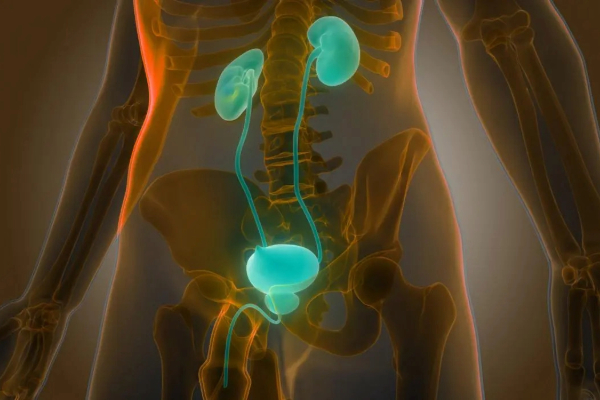
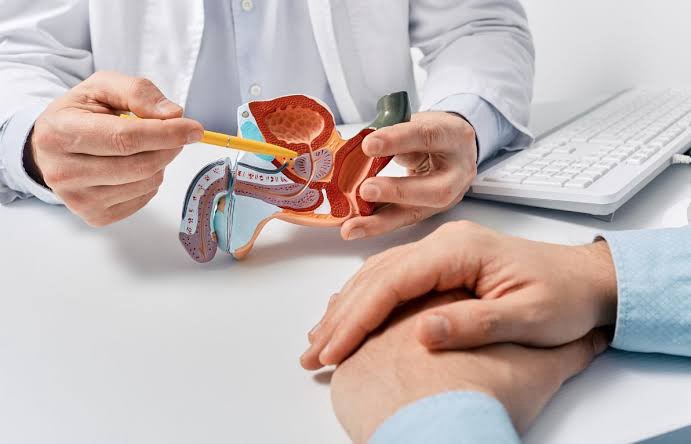
Semen is produced through the contribution of several structures in the male reproductive system. Blood can enter the ejaculate when blood vessels or surrounding tissues in these structures become inflamed, irritated, injured or affected by another condition.
Three areas are particularly relevant.
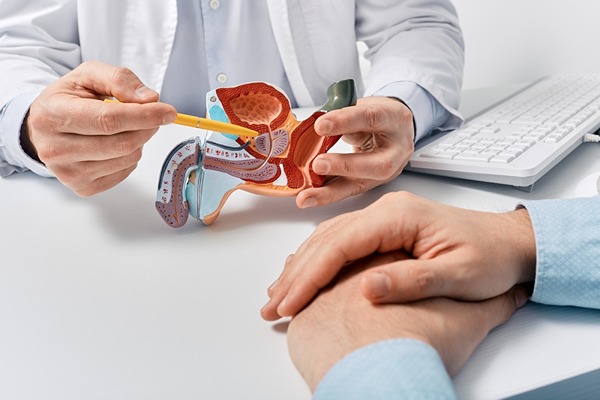
The prostate gland
The prostate contributes fluid to semen and lies around part of the urethra. Inflammation or infection affecting the prostate may sometimes lead to bleeding.
Other symptoms can include pelvic discomfort, burning during urination, urinary frequency or pain during ejaculation. Some men may also experience fever or chills if an acute infection is present.
The seminal vesicles
These glands are located behind the bladder and produce a substantial portion of the fluid in semen.
Inflammation, infection, cysts or other abnormalities affecting the seminal vesicles may contribute to haematospermia. Painful ejaculation or discomfort in the pelvic region may provide additional clues.
The urethra and nearby reproductive structures
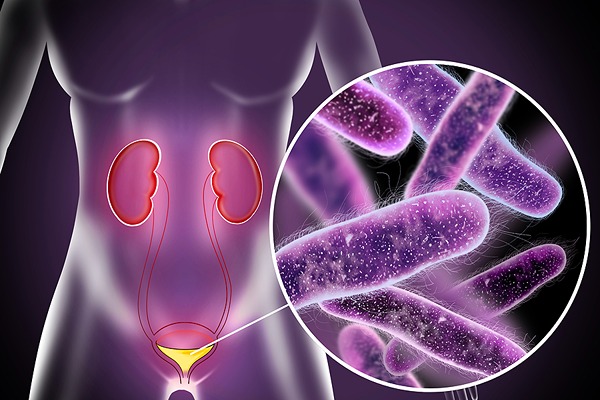
The urethra carries urine out of the body and also serves as the passage through which semen is expelled. Inflammation, infection, local injury or recent instrumentation involving this region can sometimes contribute to bleeding.
Because several structures are involved in ejaculation, identifying the source may require more than simply examining the colour of the semen.
Question 3: What Are the Seven Possible Reasons for Blood in Semen?
Haematospermia is a symptom rather than a diagnosis. The following conditions represent possible explanations, not a checklist for self-diagnosis.
1. Inflammation of the prostate
Prostatitis can affect the prostate and surrounding tissues. Depending on its cause, it may be associated with urinary symptoms, pelvic pain, painful ejaculation or fever.
However, blood in semen alone is not sufficient to diagnose prostatitis.
2. Infection of the urinary or reproductive tract
Certain bacterial infections and sexually transmitted infections can involve the urethra, prostate or other reproductive structures.
Possible accompanying symptoms include burning urination, urethral discharge, pelvic discomfort or fever. Some infections may cause few noticeable symptoms.
Testing helps determine whether an infection is present and whether specific treatment is appropriate.
3. Inflammation of the seminal vesicles
Inflammation affecting the seminal vesicles may allow blood to mix with seminal fluid. This possibility may be considered when haematospermia occurs alongside painful ejaculation or pelvic discomfort.
4. Recent medical procedures
Procedures such as prostate biopsy, cystoscopy or other instrumentation involving the urinary or reproductive tract may cause temporary bleeding.
The expected recovery period depends on the procedure. New, worsening or prolonged symptoms should not automatically be attributed to a previous intervention.
5. Minor tissue irritation or injury
Small blood vessels can sometimes bleed after local irritation or minor injury. An isolated episode may resolve without a serious underlying cause being identified.
Nevertheless, repeated bleeding should not automatically be blamed on sexual activity or physical exertion.
6. Blood-clotting problems or relevant medication
Certain bleeding disorders and medicines that affect clotting may contribute to bleeding. A history of easy bruising, other unexplained bleeding or anticoagulant use may be relevant.
Prescribed blood-thinning medicines should never be stopped independently because of this symptom.
7. Prostate or other structural abnormalities
Prostate enlargement, cysts, stones within reproductive structures and other anatomical changes may sometimes be associated with haematospermia.
Less commonly, persistent or recurrent bleeding may be linked to a serious urological condition, including cancer. The likelihood depends on age, medical history, examination findings and other risk factors.
Important: Blood in semen does not automatically indicate prostate cancer, but persistent or recurrent symptoms should not be ignored.
Question 4: When Is Blood in Semen More Concerning?
The surrounding symptoms often provide more useful information than the colour alone.
Use the following table as a guide to understanding when medical attention may be needed.
|
Symptom pattern |
Appropriate response |
|
One episode without pain or other symptoms |
Consider the circumstances and monitor for recurrence; arrange assessment if concerned or if risk factors apply |
|
Blood appearing on several occasions |
Arrange a urological assessment |
|
Burning urination or unusual urethral discharge |
Seek assessment for possible infection or another urinary condition |
|
Pain during ejaculation or persistent pelvic discomfort |
Arrange an assessment to investigate the cause |
|
Blood in semen and visible blood in urine |
Seek prompt medical evaluation |
|
Fever, chills or significant pain |
Obtain urgent medical attention, especially if symptoms are worsening |
|
Inability to pass urine, heavy bleeding or severe illness |
Seek emergency medical care |
Age matters as well. An isolated episode in a younger man without other symptoms may have a different risk profile from recurrent haematospermia in an older man.
The distinction is not that one group can safely ignore the symptom. Rather, age, recurrence, associated symptoms and medical history help determine the level of investigation needed.
Question 5: Does Blood in Semen Mean Infertility or Sexual Dysfunction?
This is often one of the first concerns men have, even if they do not express it openly.
Does it mean sperm quality is poor?
Not necessarily. Blood in semen does not, by itself, establish that sperm production, sperm quality or fertility has been affected.
The significance depends on the underlying cause. A temporary episode may have no lasting reproductive consequences, whereas certain infections or disorders affecting the reproductive tract may require further evaluation.
If conception is a concern, fertility assessment may include a review of reproductive history and semen analysis when appropriate.
Can it cause erectile dysfunction?
Haematospermia does not automatically cause erectile dysfunction or indicate low testosterone.
However, worry about the symptom may affect confidence or willingness to engage in sexual activity. If erectile difficulties, reduced libido or other sexual health changes are also present, they should be evaluated as separate concerns rather than assumed to have the same cause.
Should sexual activity always be avoided?
There is no single rule that applies to every case. The appropriate advice depends on the suspected cause, the presence of pain or infection, and whether a recent procedure has been performed.
When infection is suspected, particularly a sexually transmitted infection, appropriate assessment and precautions are important.
Question 6: Which Tests May Help Identify the Cause?
There is no universal investigation package for every man with blood in semen. The evaluation is guided by age, medical history, recurrence, examination findings and associated symptoms.
The clinical history comes first
A urologist may ask:
- When did the symptom begin?
- Has it happened once or repeatedly?
- Is the blood bright red, pink, brown or rust-coloured?
- Is there blood in the urine as well?
- Is urination painful or unusually frequent?
- Is ejaculation painful?
- Has there been a recent procedure or injury?
- Are there existing prostate conditions, urinary stones or bleeding disorders?
- Is the patient taking medication that affects blood clotting?
These details help narrow down the possible causes.
Urine tests
Urinalysis can help identify blood, inflammatory cells and other abnormalities. A urine culture may be requested when a bacterial urinary infection is suspected.
Additional infection testing may be appropriate when symptoms or exposure history suggest a sexually transmitted infection.
Blood tests
Selected blood tests may be used to investigate infection, general health, clotting abnormalities or other concerns.
Prostate-specific antigen, or PSA, may be considered in appropriate circumstances. PSA is not a stand-alone cancer diagnostic test and can be affected by inflammation and other factors.
Ultrasound, MRI or other investigations
Depending on the clinical findings, further investigations may include ultrasound, transrectal ultrasound, MRI or cystoscopy.
These investigations answer different questions. Imaging may help assess the prostate and seminal vesicles, while cystoscopy may be considered when a problem involving the urethra or bladder is suspected.
More extensive testing is generally guided by persistent or recurrent symptoms, abnormal initial findings, age and other risk factors. Not every isolated episode requires every available investigation.
The goal is to identify the likely source of bleeding while avoiding unnecessary testing.
Question 7: What Should Men in Hyderabad and Secunderabad Do Next?
Searching online for a urologist in Secunderabad or a urology clinic in Hyderabad may provide general information, but internet searches cannot determine the cause of blood in an individual's semen.
A more useful approach is to prepare a clear account of the symptom and arrange an assessment when appropriate.
Before a consultation, consider noting:
- The date of the first episode.
- Whether the symptom has occurred again.
- Any change in urine colour.
- Pain, fever or urinary difficulties.
- Recent procedures, injuries or infections.
- Current medicines and relevant medical conditions.
This information can make the clinical history more informative.
Men experiencing recurrent haematospermia, associated urinary symptoms or other concerning changes should not rely solely on online information to determine the cause.
Quick Answers: 12 Frequently Asked Questions
1. Is blood in semen normal?
Blood in semen is not considered a usual feature of ejaculation, although isolated episodes can occur without a serious underlying condition. Its significance depends on the clinical context.
2. Can blood in semen disappear without treatment?
Yes. Some isolated episodes resolve spontaneously. However, resolution does not establish the original cause, and recurrence or accompanying warning signs warrants assessment.
3. Is painless blood in semen dangerous?
Not always, but the absence of pain does not rule out every significant condition. Age, recurrence and associated findings remain important.
4. Does haematospermia always mean an infection?
No. Infection is one possible cause, but inflammation, minor injury, recent procedures, structural abnormalities and other conditions may also be involved.
5. Can prostate problems cause blood in semen?
Yes. Prostatitis and certain other prostate-related conditions may contribute to haematospermia. The symptom alone cannot identify which prostate condition, if any, is present.
6. Is blood in semen a sign of prostate cancer?
Not necessarily. Most cases do not automatically indicate cancer. Persistent or recurrent symptoms, especially in older men or those with other concerning findings, may require further investigation.
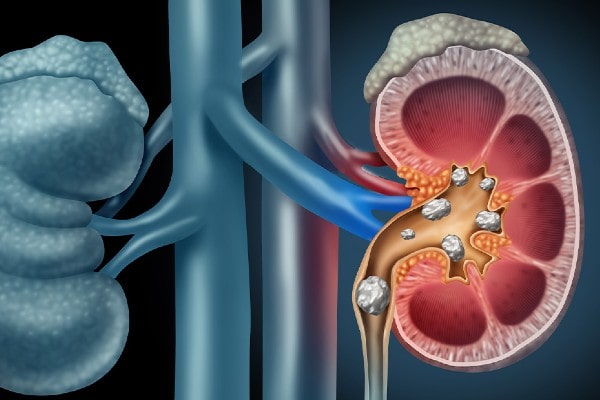
7. Can kidney stones cause blood in semen?
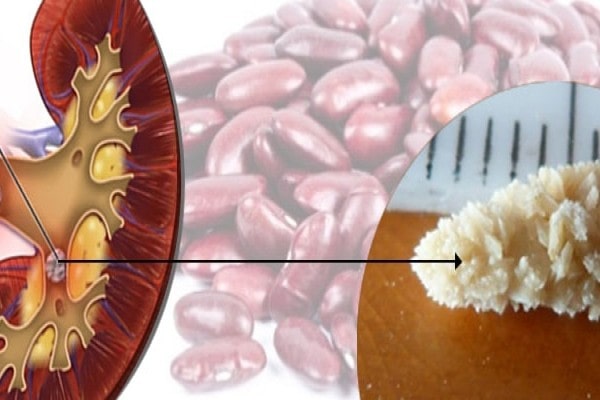
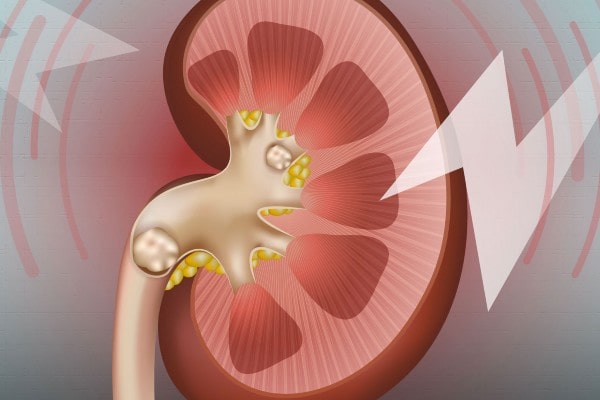
Kidney stones more commonly cause blood in urine. They are not a typical direct explanation for blood in semen, although urinary and reproductive symptoms can sometimes overlap.
8. Can blood in semen affect fertility?
It does not automatically mean infertility. The effect, if any, depends on the underlying cause and whether a reproductive tract condition is present.
9. Which doctor evaluates blood in semen?
A urologist evaluates conditions affecting the urinary tract and male reproductive system. The appropriate specialist and investigations depend on the symptoms and clinical findings.
10. Should I take antibiotics for blood in semen?
Antibiotics are not appropriate for every case. They are used when a bacterial infection is diagnosed or sufficiently suspected, according to the clinical assessment.
11. Should I be concerned if blood in semen happens more than once?
Recurrent haematospermia deserves assessment because repeated episodes may indicate a condition that needs further investigation. The appropriate evaluation depends on age, symptoms and medical history.
12. When is it an emergency?
Seek emergency medical care if blood in semen occurs alongside inability to pass urine, heavy bleeding or severe illness. Fever with significant pain or rapidly worsening symptoms also requires urgent attention.
A Final Perspective: Understand the Pattern, Not Just the Symptom
Blood in semen can create considerable anxiety because it involves an intimate aspect of health. Yet the symptom does not automatically mean cancer, infertility or permanent damage.
The more useful questions are whether it has happened repeatedly, whether urinary or reproductive symptoms are present, and whether age or medical history raises additional concerns.
An isolated episode and recurrent bleeding are not necessarily the same clinical situation. Understanding that distinction helps men avoid both unnecessary fear and avoidable delays in seeking care.
For men searching for information about blood in semen in Hyderabad or Secunderabad, the first step is to understand the symptom accurately and seek an appropriate assessment when indicated.