

Urinary Incontinence in Secunderabad
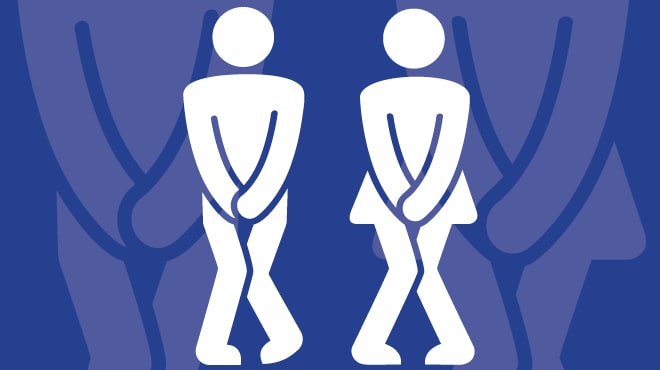
Urinary Incontinence — the loss of bladder control — is a common and often embarrassing problem. The severity ranges from occasionally leaking urine when you cough or sneeze to having an urge to urinate that's so sudden and strong you don't get to a toilet in time. Urinary incontinence can occur in both men as well as women often due to different reasons.
Though it occurs more often as people get older, urinary incontinence isn't an inevitable consequence of aging. If urinary incontinence affects your daily activities, don't hesitate to see your doctor. For most people, simple lifestyle changes or medical treatment can ease discomfort or stop urinary incontinence.
Symptoms
Many people experience occasional, minor leaks of urine. Others may lose small to moderate amounts of urine more frequently. Book an appointment now with our specialist for urinary incontinence treatment in Secunderabad.
Types of Urinary Incontinence include:
- Stress Incontinence:- Urine leaks when you exert pressure on your bladder by coughing, sneezing, laughing, exercising, or lifting something heavy.
- Urge Incontinence:- You have a sudden, intense urge to urinate followed by an involuntary loss of urine. You may need to urinate often, including throughout the night. Urge incontinence may be caused by a minor condition, such as infection, or a more severe condition such as a neurologic disorder or diabetes.
- Overflow Incontinence:- You experience frequent or constant dribbling of urine due to a bladder that doesn't empty completely.
- Functional Incontinence:- A physical or mental impairment keeps you from making it to the toilet in time. For example, if you have severe arthritis, you may not be able to unbutton your pants quickly enough.
- Mixed Incontinence:- You experience more than one type of urinary incontinence.
When to See a Doctor for Urinary Incontinence Treatment?
You may feel uncomfortable discussing incontinence with your doctor. But if incontinence is frequent or is affecting your quality of life, it's important to seek medical advice because urinary incontinence may:
- Urinary incontinence is managed both medically as well as through minimally invasive surgical treatment depending upon the situations
- Indicate a more serious underlying condition
- Cause you to restrict your activities and limit your social interactions
- Increase the risk of falls in older adults as they rush to the toilet
We at Urolife Urology & Andrology Clinic provide the Best Treatment for Urinary Incontinence in Secunderabad, Hyderabad. Dr. Kalyan Kumar A.V is one of the Best Urologist with over 11 years of experience in treating urinary incontinence.

