

Urologist
Urology is a branch of medicine that focuses on the medical conditions of the male and female urinary tract system. The urologist is a medical professional that specializes in the urinary system. In the earliest times, doctors used to examine the urine of a patient for clues about their illness.
What is Urinary Tract System & How It Works?
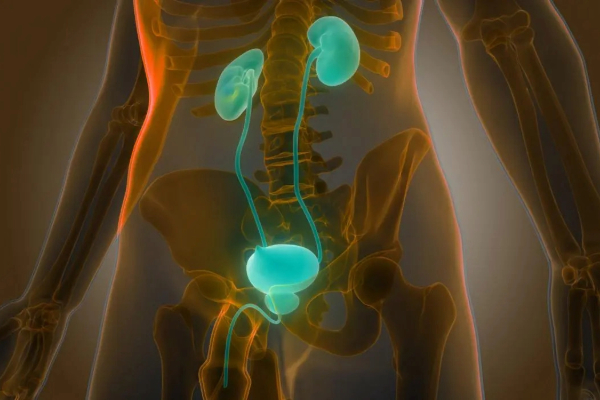
The organ of the urinary system consists of the kidneys, ureters, urinary bladder, and urethra. The urinary tract is one of the systems that our bodies use to get rid of waste products, regulate blood volume and blood pressure, control levels of electrolytes and metabolites, and regulate blood pH.
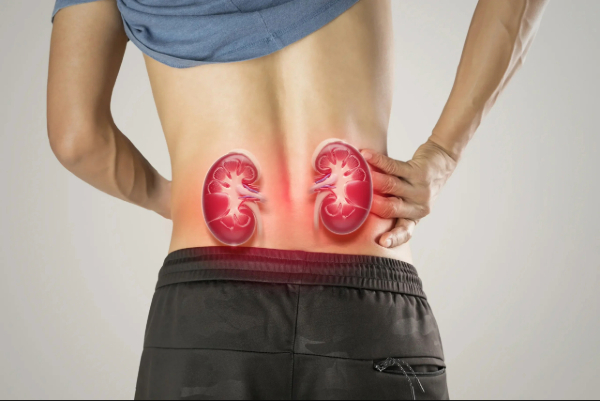
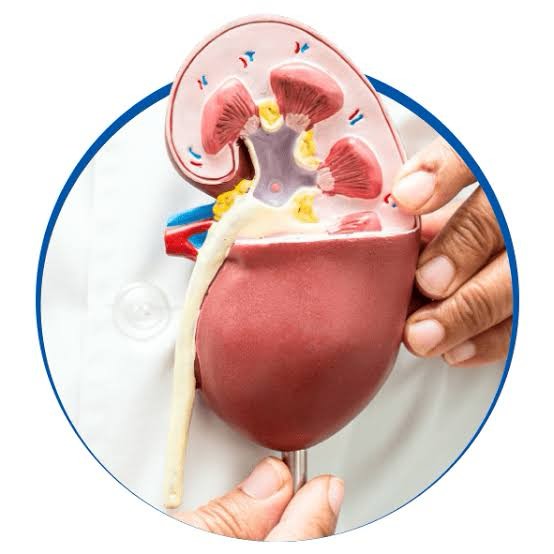
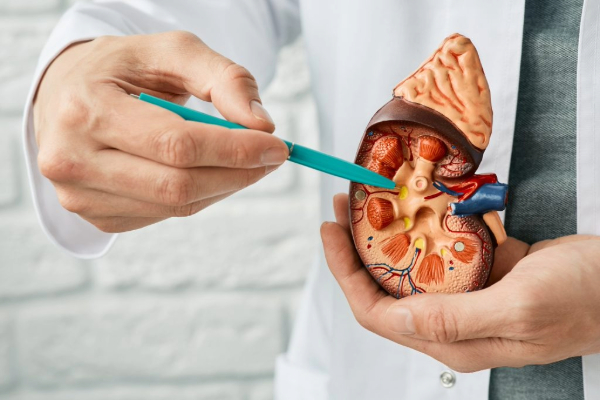
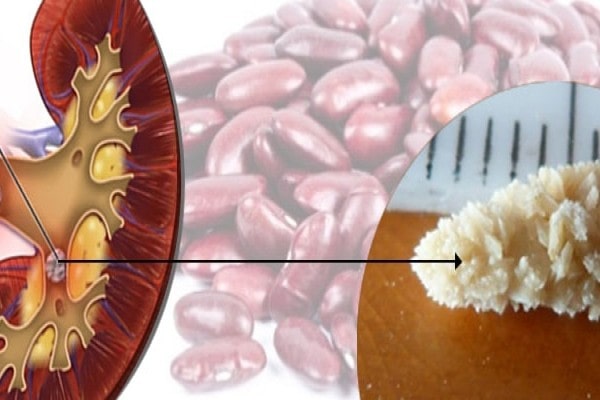
- Kidneys: The kidneys are two bean-shaped organs in the renal system that filter waste from the blood and produce urine.
- Ureter: The ureter is a tube that carries urine from the kidney to the urinary bladder that carries urine from the kidney to the urinary bladder. It takes pee from the kidney to the bladder.
- Bladder: The bladder stores urine, allowing urination to be infrequent and controlled.
- Urethra: The urethra is a tube that connects the urinary bladder to the urinary meatus for the removal of urine from the body of both females and males.
Why should you consult a urologist?
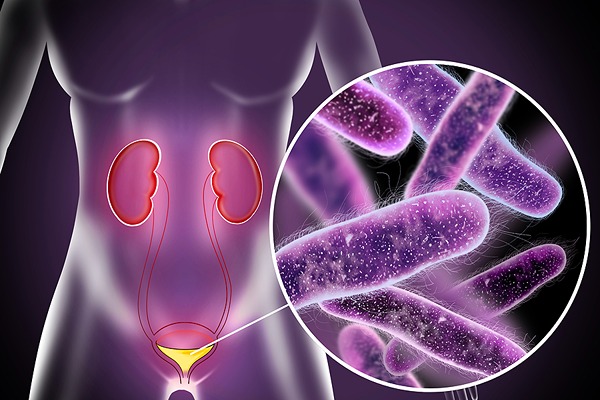
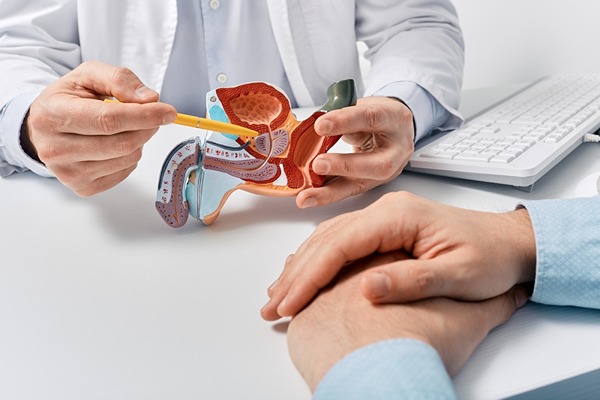
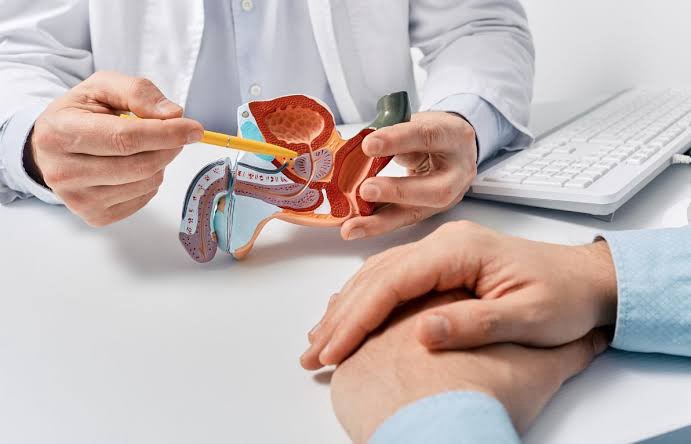
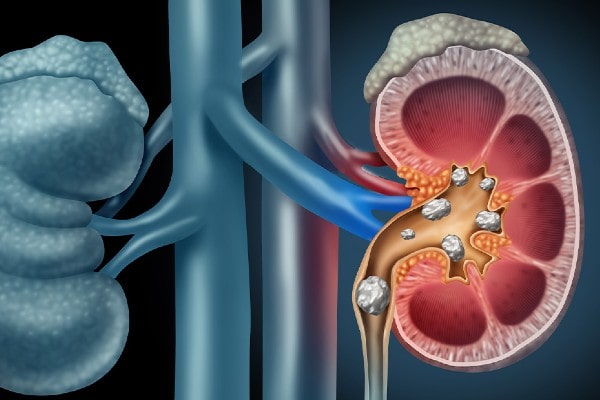
A urologist is a physician who specializes in diseases of the urinary tract and the male reproductive system. Ideally, Urologists should be consulted for precise diagnosis of diseases related to the urinary tract. Men should consult a urologist if they suffer from problems such as kidney stones, prostate gland enlargement, prostatitis, urinary tract infections, kidney diseases, varicoceles, or enlarged veins in the scrotum, infertility, etc. In the case of women, if problems such as urinary incontinence, kidney stones, UTI, interstitial cystitis, bladder prolapsed, etc happen, a urologist should be approached. If your child suffers from problems of bedwetting, problem in the structure of the urinary tract and undescended testicles, you must immediately consult a urologist
What the types of specialization?
There are several kinds of specializations in urology.
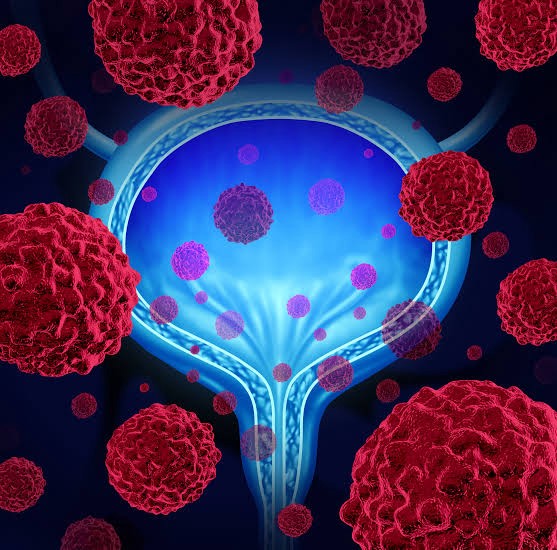
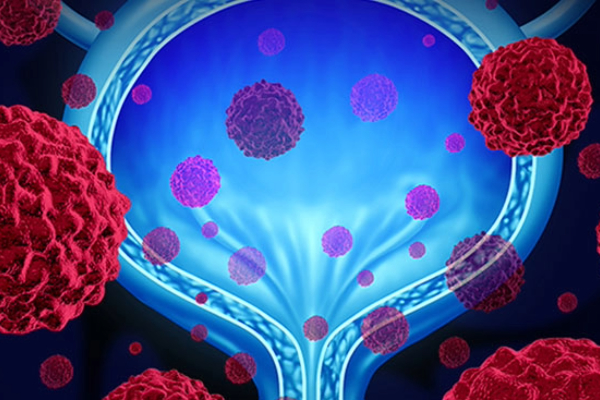
Female urology: Focuses on a problem related to the female reproductive and urinary tract. There is a urology specialist who focuses on male fertility concerns. Then there is neuro-urology which emphasizes urinary problems which crop up due to the nervous system. For urinary problems in children, pediatric urology is the way. Urology specialization is known urologic oncology focuses on cancer in the urinary system such as bladder cancer, prostate cancer, cancer in testicles, etc.
Top 5 Treatments available
Urologists perform different kinds of procedures. The most common procedures performed by a urologist are mentioned below:
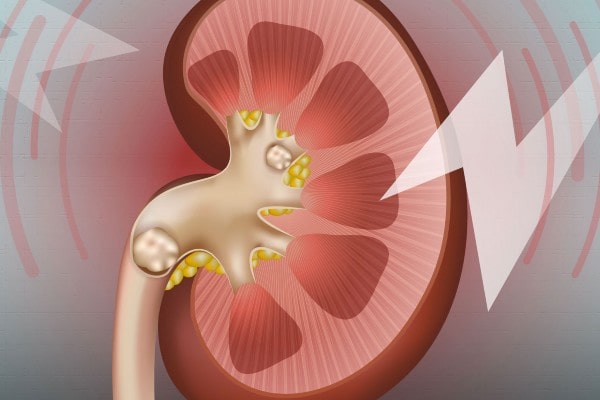
- Extracorporeal shock-wave lithotripsy– It encompasses breaking up kidney stones so that they can be removed from the body without any problem.
- Transurethral resection of the prostate- In this surgery, excess tissue is removed from an enlarged prostate.
- Ureteroscopy– A scope is used to remove stones in the ureter and kidney.
- Vasectomy – This procedure is done to prevent pregnancy. In this vas deferens are cut and tied so that the sperm does not travel.
- Kidney Transplant– In this treatment method, the diseased kidney is replaced with a healthy kidney of a donor.
When Should I See A Urologist?
Sometimes a patient will be referred to a urologist by Your primary care doctor, as Valerie was. But often people go direct to a urologist for treatment. Your primary care doctor may be able to treat some minor urologic issues. However, if your symptoms do not go away-like in Valerie’s case-it is best to see a urologist and get to the root of the problem. If you know your symptoms or condition involve the urinary tract or male reproductive system, you may choose to see a urologist as your first step. To find a urologist in your area and even narrow your search by type of urologic condition