

Despite being a physical and emotional journey that impacts millions of couples globally, infertility is still a taboo subject, particularly among men. Male factors account for almost half of all occurrences of infertility, so male infertility is not as rare as many people think. This illness is growing more widespread in places like Hyderabad, where stress, restless nights, and contemporary lifestyle choices are all common.
It's crucial to keep in mind that both men and women can experience infertility problems if you and your spouse have been trying to conceive for more than a year without success. It can make all the difference to consult a specialist like Dr. Kalyan Kumar A.V., a senior urologist and one of the best urologists in Secunderabad, Hyderabad.
Comprehending Male Infertility
The incapacity of a man to conceive a child from a fertile female spouse is known as male infertility. It may be the consequence of issues with sperm function, production, or delivery.
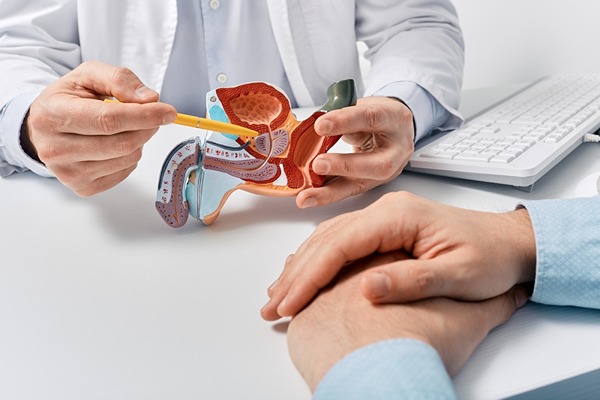
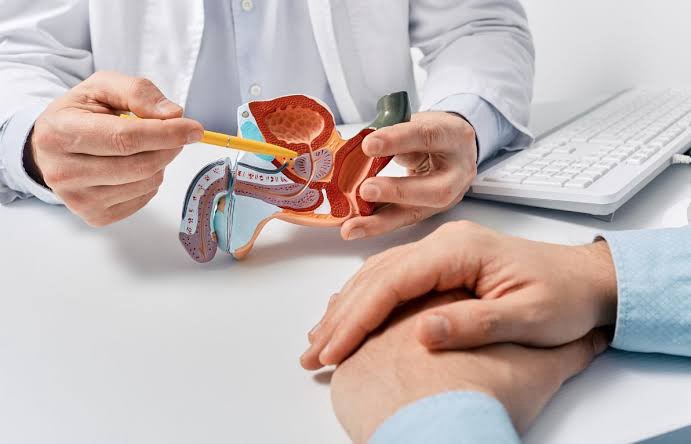
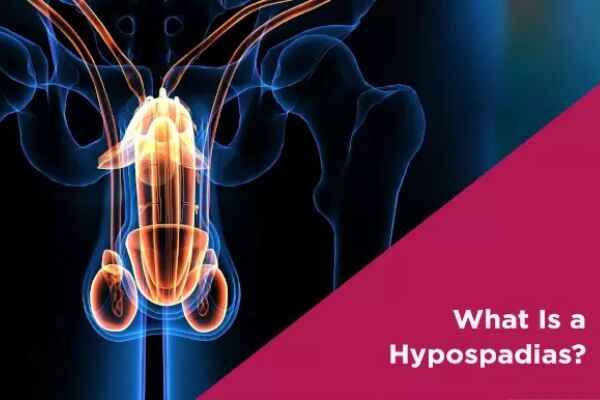
The testes (which create sperm), the epididymis (where sperm develop), the vas deferens (which transports sperm), and the penis (which distributes sperm during ejaculation) are the several organs that make up the male reproductive system. Infertility may arise from any interruption along this course.
Male infertility is frequently caused by:
- Low sperm count
Oligospermia (low sperm count) is one of the main reasons of male infertility. More than 15 million sperm per millilitre of semen is generally considered a good sperm count. The likelihood of sperm reaching and fertilising an egg decreases with their numbers. - Low Motility of Sperm
They must move efficiently even if the sperm count is sufficient. Sperm may find it difficult to pass through the female reproductive canal if they have low motility, or asthenozoospermia. - Unusual Sperm Form
A key factor in effective fertilisation is sperm morphology. Sperm may find it difficult to enter an egg with abnormal shapes. - Varicocele
A varicocele is a scrotal vein enlargement that can increase the temperature surrounding the testicles, influencing the quantity and quality of sperm. One of the most prevalent and curable causes of infertility in men is this. - Unbalanced Hormones
The production of sperm is controlled by hormones such as testosterone, luteinizing hormone (LH), and follicle-stimulating hormone (FSH). Infertility may result from an imbalance in these hormones. - Genetic Variables
Sperm development can be hampered by specific genetic conditions such Y-chromosome deletions or Klinefelter syndrome. - Aspects of Lifestyle
Stress, alcohol use, smoking, obesity, and heat exposure (such as from laptops or saunas) are all significant factors in sperm health decline. - Health Issues
Infertility can also result from chronic illnesses like diabetes or thyroid issues, surgeries like vasectomy or hernia surgery, and infections like mumps, orchitis, or STDs.
Male Infertility Symptoms
Infertility is typically the sole observable symptom. But some men might encounter:
- Low libido, or sexual drive
- Erectile dysfunction, or trouble keeping an erection
- Swelling or pain in the testicles
- Reduced body or facial hair, a sign of a hormonal imbalance
- Diminished volume of semen
You should not disregard any of these signs if you observe them. A senior urologist like Dr. Kalyan Kumar A.V. can be consulted early to help find and treat underlying problems before they get worse.
Diagnosis: A Urologist's Assessment of Infertility in Men
Medical history, physical examination, and specialised testing are all part of a comprehensive evaluation.
- Analysis of Semen
The most fundamental and significant test for assessing sperm motility, morphology, and count is this one. - Testing for Hormones
Blood tests look for hormone imbalances that may have an impact on sperm production. - Ultrasound of the scrotum
aids in the detection of obstructions, testicular tumours, and varicocele. - Genetic Examination
finds genetic problems that could lead to infertility. - Urinalysis After Ejaculation
identifies retrograde ejaculation, which occurs when semen enters the bladder rather than leaving the body through the penis. - Biopsy of the Testicles
A biopsy can show whether sperm production is taking on inside the testes if there are no sperm in the semen.
Options for Male Infertility Treatment
The underlying reason determines the therapy strategy. With the correct medical advice, many men can regain their fertility thanks to recent improvements in urology.
- Changes in Lifestyle
Sperm quality can be greatly enhanced by making little lifestyle adjustments including stopping smoking, drinking less alcohol, keeping a healthy weight, controlling stress, and getting adequate sleep. - Hormone therapy and medication
Fertility can be restored with medicine or hormone replacement if infections or hormonal imbalances are found. - Surgical Interventions
- Minimally invasive surgery to repair swollen scrotal veins is known as varicocele repair.
- Restoring fertility following a previous vasectomy is known as vasectomy reversal.
- When sperm cannot be located in semen, surgical sperm retrieval (SSR) is utilised.
- Techniques for Assisted Reproduction (ART)
Advanced reproductive technology can assist in cases where natural conception is not feasible:- Intrauterine insemination (IUI): Healthy sperm are inserted straight into the uterus.
- In vitro fertilisation (IVF): involves combining sperm and eggs in a laboratory.
- Intracytoplasmic Sperm Injection (ICSI): involves injecting a single sperm into an egg for fertilisation.
These techniques have transformed the treatment of infertility and given hope to numerous couples who aspire to have children.
Aspects of Emotion and Psychology
Infertility in men can be emotionally taxing. Although it's normal to feel guilty, anxious, or inadequate, it's important to remember that infertility is a medical illness rather than a reflection of manhood.
The Best Urologist in Secunderabad, Hyderabad, Dr. Kalyan Kumar A.V., stresses that getting medical help early will reduce needless stress and enhance results. Counselling and having open lines of communication with your partner can also be quite important for emotional healing.
How to Avoid Male Infertility
Even while not every instance can be avoided, you can greatly lower your risk by forming good habits:
- Consume a diet full of antioxidant-rich foods, such as fruits, vegetables, and nuts.
- Engage in regular exercise, but refrain from lifting too much weight.
- Steer clear of extended exposure to radiation and heat.
- Use yoga or meditation to reduce stress.
- Arrange for regular urological examinations.
Keep in mind that taking preventative care of your health now can protect your fertility later.
When to Consult a Professional
It's time to consult a senior urologist if you and your spouse have been trying to conceive for a year without success or if you suffer from any symptoms such as decreased libido, testicular pain, or swelling.
One of the top urologists and a prominent consultant in Secunderabad, Hyderabad, Dr. Kalyan Kumar A.V. specialises in advanced urological treatments, reproductive health, and male infertility. Every patient receives individualised care thanks to his meticulous and caring attitude.
FAQs
- Is there a cure for male infertility?
Depending on the cause, the answer is often yes. Restoring fertility is possible with the successful treatment of conditions like varicocele or hormone imbalance. - Does male fertility change with age?
Indeed. Age-related declines in sperm quality impact motility and raise the possibility of genetic disorders. - Is male infertility a result of stress?
Prolonged stress can lower libido and sperm count and alter hormone balance. - Does smoking affect the health of sperm?
Of course. Smoking reduces sperm motility and count while also harming sperm DNA. - What is the ICSI success rate for infertility in men?
The success rate of ICSI is high, frequently exceeding 70%, contingent on the health of the couple. - How much time should pass before we see a doctor?
Try for a year if you're under 35. If you're over 35, you should see a doctor six months later. - Can a diet increase the number of sperm?
Indeed, foods high in antioxidants, zinc, and selenium—such as citrus fruits, spinach, and almonds—support the health of sperm. - Is the number of sperm affected by frequent ejaculation?
Regular ejaculation often has no long-term effects on fertility, although it momentarily lowers the sperm count. - Are there any fertility-enhancing exercises?
Yoga, swimming, and jogging are examples of moderate workouts that improve hormone balance and blood flow. - Should an infertility test be performed on both partners?
Yes, since male, female, or both variables can contribute to infertility. Proper diagnosis and therapy are ensured by a thorough evaluation.
In Conclusion
Male infertility is a medical condition that, with the correct care, can be cured; it is not a sign of weakness. Many men have successfully conceived after overcoming infertility because to improved diagnostic methods and available treatments.
Don't wait if you suspect infertility issues. One of the best urologists in Secunderabad, Hyderabad, and a senior urologist, Dr. Kalyan Kumar A.V., can guide you through your journey with knowledge, consideration, and empathy.
Book Your Appointment Today
🌐 Visit: www.urolifehyderabad.com
📞 Call: +91 6302699909
📍 Location: Vikrampuri, Secunderabad, Hyderabad, Telangana