Female Urology Specialist in Secunderabad
What is Female Urology?
Urology is a field of medicine focussing on diseases of the urinary tract system, which includes include the kidneys, adrenal glands, ureters, urinary bladder, and urethra. Female and reconstructive urology is a sub-specialty of urology that treats and assesses patients with urinary incontinence, urological diseases, and the reconstruction of the urinary tract.
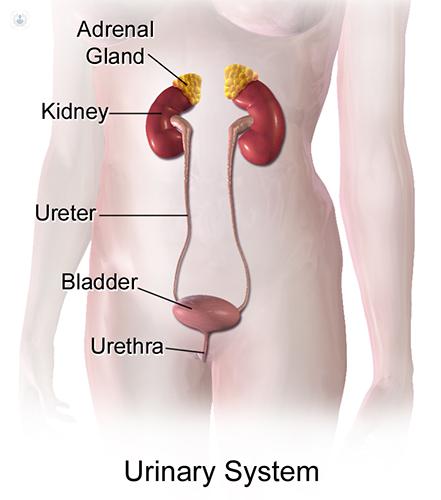
Female urology is a subdivision of this sub-specialty and it covers a group of conditions that are experienced by women, such as urinary incontinence, overactive bladder, and pelvic organ prolapse. A female urologist specializes in the treatment of these diseases and has a thorough knowledge of the female pelvic floor. They can also treat urological conditions which affect both sexes, including urinary tract infections (UTI), cystitis, kidney stones, kidney cancer, and bladder cancer.
What conditions are treated within female urology?
Conditions commonly treated within female urology include:
- Urinary incontinence
- Overactive bladder
- Pelvic prolapse
- Pelvic floor problems
- Urinary tract infections
- Cystitis
- Kidney stones
- Kidney cancer
- Bladder cancer
When should you see a urologist?
Women should see a urologist who specializes in female urological problems if they experience any of the following symptoms:
- Blood in their urine
- Abdominal or pelvic pain
- Cloudy urine
- A frequent urge to urinate
- Pain or a burning sensation when urinating
- Frequent urinary tract infections
- Urinary leakage
Frequently Asked Questions
Yes. Pregnancy and childbirth can weaken pelvic-floor support and contribute
to urinary leakage. Female urinary incontinence can be
evaluated by a specialist.
Yes. Pelvic organ prolapse can affect bladder function and may cause
urinary symptoms. Pelvic organ prolapse treatment
depends on the underlying problem.
Yes. Overactive bladder may cause sudden urgency and frequent urination
even when urine leakage does not occur. Overactive bladder in
women can be managed with appropriate care.
Repeated infections may sometimes be linked to an underlying urinary or
bladder problem. Recurrent UTI in women should be properly
evaluated rather than repeatedly self-treated.
Yes. Weak pelvic-floor muscles can affect bladder control and contribute
to urinary symptoms. Pelvic floor dysfunction may improve
with appropriate treatment.
Yes. Hormonal changes after menopause can contribute to certain urinary
symptoms and bladder problems. Postmenopausal urinary
problems should be assessed when persistent.
No. Blood in urine can have several causes, including infections, stones,
and other urinary conditions. Blood in urine in women
should not be ignored.
Yes. Some women develop urinary problems after pelvic procedures, and a
specialist can assess the cause. Female bladder care
can be tailored to the individual's symptoms.
Yes. Female urology also covers urinary conditions such as kidney stones
when they affect women. Kidney stone treatment for women
depends on the stone and symptoms.
Women can consult a urologist experienced in female urinary and pelvic-floor
conditions. Urolife provides
female urology treatment in Secunderabad.