
Introduction
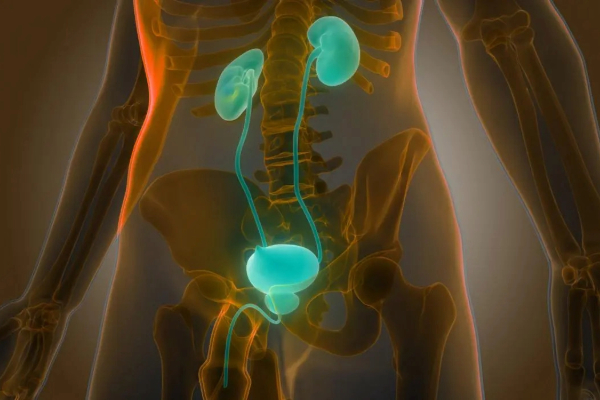
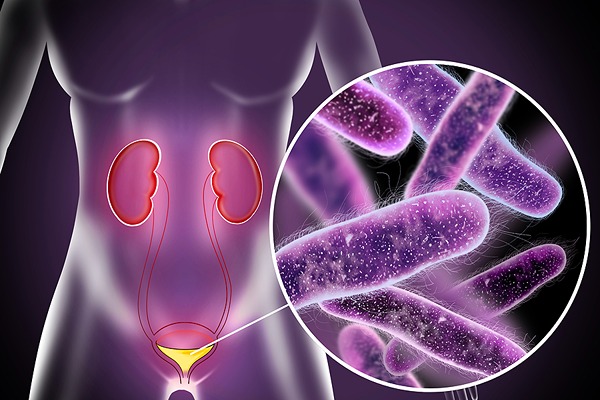
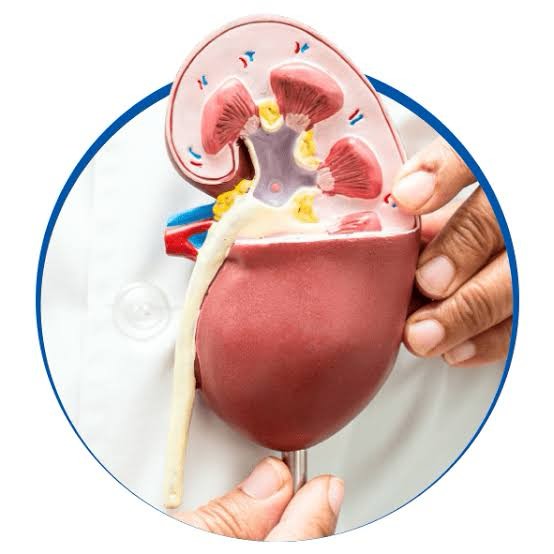
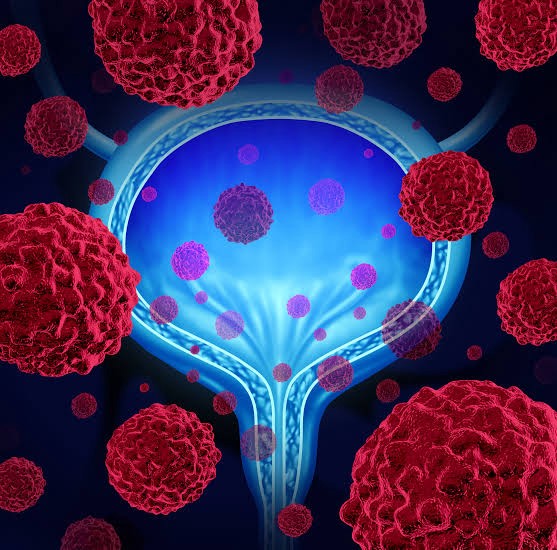
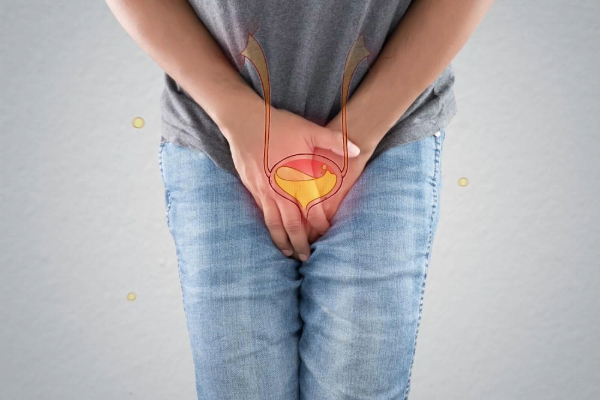
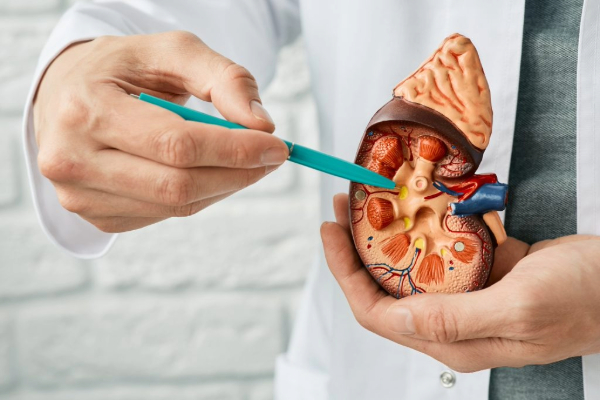
Pediatric vesicoureteral reflux (VUR) is a condition where urine flows backward from the bladder into the ureters and sometimes into the kidneys. This retrograde flow can lead to a range of complications, including recurrent urinary tract infections (UTIs) and potential kidney damage. Understanding VUR is crucial for parents, caregivers, and healthcare professionals to ensure timely diagnosis and effective management

Causes and Risk Factors
VUR can be classified as primary or secondary:
- Primary VUR is congenital, often resulting from a defect in the ureterovesical junction.
- Secondary VUR occurs due to high bladder pressure, which may be caused by bladder dysfunction, obstruction, or infections.
Risk factors include a family history of VUR, being of Caucasian descent, and having anatomical abnormalities of the urinary tract.
Symptoms and Diagnosis
The symptoms of VUR can vary, but often include:
- Recurrent UTIs, which may present as fever, irritability, and poor feeding in infants.
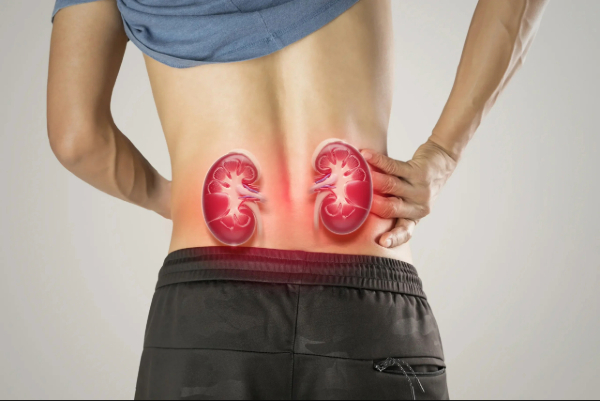
- Abdominal or flank pain.
- Voiding dysfunction, such as urinary frequency or urgency.
- Hematuria (blood in the urine).
Diagnosis typically involves imaging studies, such as:
- Voiding cystourethrogram (VCUG): An X-ray study where contrast dye is introduced into the bladder to visualize reflux.
- Renal ultrasound: Used to assess the kidneys and detect any structural abnormalities or damage.
- Nuclear scans: Evaluate renal function and scarring.
Grading of VUR
VUR is graded on a scale from I to V, based on the extent of reflux:
- Grade I Reflux into the ureter only.
- Grade II: Reflux into the renal pelvis without dilation.
- Grade III: Mild to moderate dilation of the ureter and renal pelvis.
- Grade IV: Moderate dilation and tortuosity of the ureter and renal pelvis.
- Grade V: Severe dilation and tortuosity, with significant renal pelvis dilation.
Management and Treatment
Treatment for VUR depends on the severity and the presence of symptoms or complications. Options include:
- Observation: Mild cases may resolve spontaneously, especially in younger children. Regular monitoring and prophylactic antibiotics to prevent UTIs may be recommended.
- Medical Management: For children with recurrent UTIs or higher grades of VUR, long-term antibiotics may be prescribed to reduce the risk of infections.
- Surgical Intervention: Procedures such as ureteralreimplantation or endoscopic injection of bulking agents can correct the reflux. Surgery is usually considered when medical management fails or in cases of severe VUR with kidney damage.
Prognosis and Long-term Outcomes
The prognosis for children with VUR varies. Many cases resolve with age, particularly primary VUR. However, persistent VUR or recurrent infections can lead to renal scarring, hypertension, and chronic kidney disease. Early detection and appropriate management are essential to prevent long-term complications.
Conclusion
Pediatric vesicoureteral reflux is a significant condition that requires awareness and timely intervention. Understanding its causes, symptoms, diagnosis, and treatment options can help in managing the condition effectively and minimizing potential complications.
Contact Information
For expert diagnosis and treatment of pediatric VUR, consulting a skilled urologist is crucial. Dr. Kalyan Kumar A.V, renowned as one of the best urologists in Secunderabad, Hyderabad, offers comprehensive care and advanced treatment options for children with VUR and other urological conditions.