

Overview
Constipation is frequently dismissed as a minor annoyance that many individuals encounter on occasion but choose to ignore. Most people are unaware, nevertheless, that persistent constipation can have an immediate impact on the bladder and urine system. The colon and bladder are located in close proximity to one other and have complex neural connections in the pelvis for both men and women. The other system frequently follows when the first one becomes slow or overactive.
We'll discuss how constipation can impact bladder function, cause urine issues, and what you can do to get your digestive and urinary health back in balance in this article.
The best Urologist in Secunderabad, Hyderabad, and a senior urologist with a wealth of experience treating bowel and urinary-related conditions, Dr. Kalyan Kumar A.V., provided insights for this post.
Recognising the Relationship Between the Bladder and the Bowel
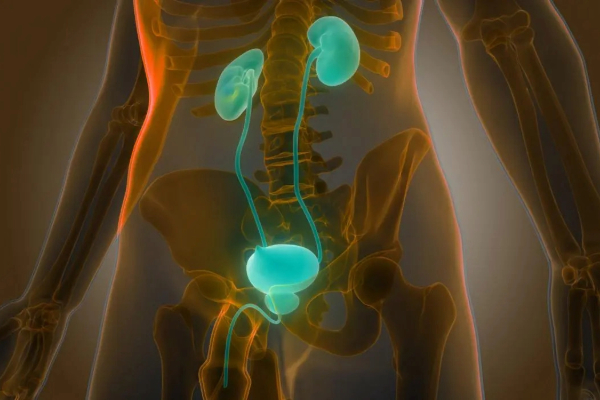
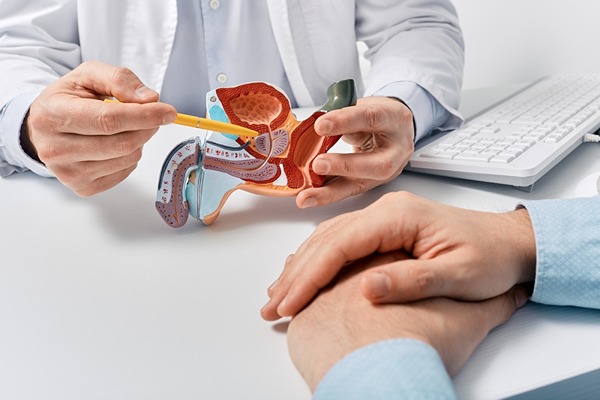
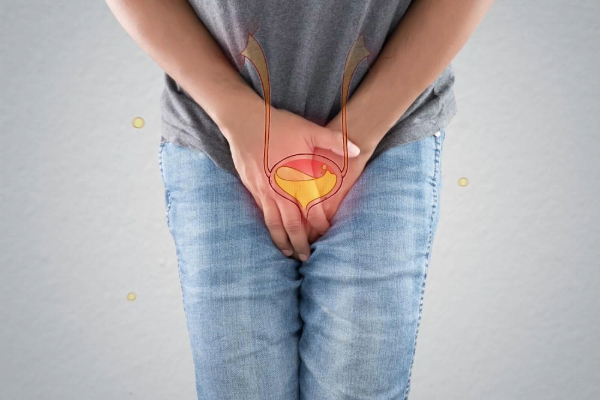
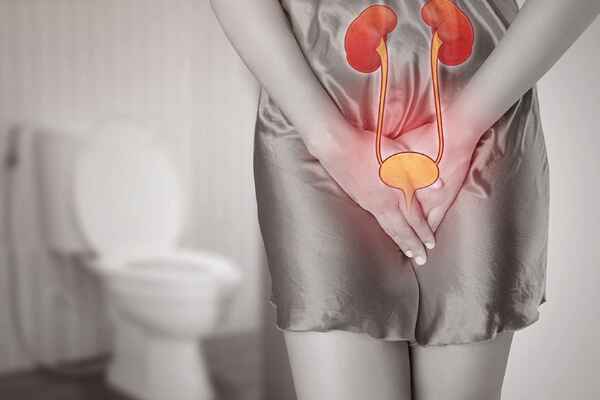
The colon and bladder share many of the same muscles and nerves and are situated adjacent to one another in the pelvis. Constipation causes hard faeces to occupy the rectum, which can put pressure on the bladder. This pressure may result in a number of issues:
- Urinating frequently: The full rectum decreases bladder capacity, which causes frequent urination.
- Incomplete emptying: Complete bladder emptying may be impeded by pressure on the urethra.
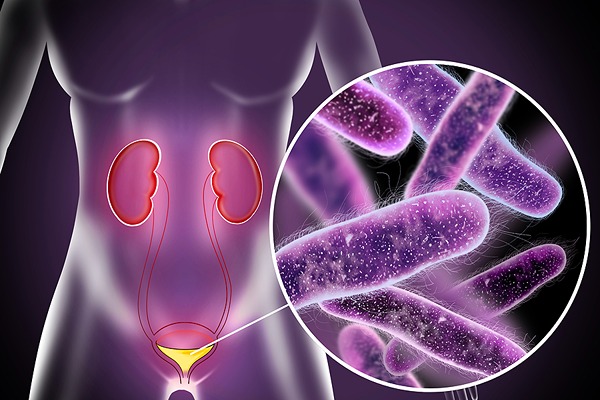
- Urinary tract infections (UTIs): Bacteria thrive in stagnant urine, which leads to infections.
- Incontinence: Prolonged pressure can weaken the muscles in the pelvis, causing leaks.
Adults who lead sedentary lifestyles, eat poorly, or take certain medications that impede bowel motions are more likely to experience these problems.
The Impact of Constipation on Bladder Function
Stool becomes more difficult to pass when it stays in the colon for an extended period of time. The bladder and the nerves that regulate urine are constantly under pressure from this accumulation. Eventually, this may result in:
1. Retention of Urine
The bladder may retain urine as a result of a full rectum obstructing urine flow. Pain, discomfort, and an elevated risk of infection could arise from this retention.
2. Symptoms of an Overactive Bladder
The agitated nerves continuously send "false signals" to the brain, which causes intense impulses to urinate even when the bladder isn't full.
3. Dysfunction of the Pelvic Floor
The pelvic floor muscles become weaker while straining during bowel motions on a regular basis. The rectum and bladder are supported by these muscles. They are unable to completely control urine when they are weak.
4. Frequent Infections of the Urinary Tract
Frequent UTIs are caused by bacteria growing when the bladder is not completely emptied. After treating their constipation, many patients report that their urine infections go better.
5. Older People and Children Are More at Risk
Due to bladder strain brought on by constipation, children frequently wet throughout the day and in bed, and older people may develop problems with infection and retention.
Typical Signs to Look Out For
It's critical to consult a doctor if you experience constipation along with any of the following symptoms related to your urinary system:
- Having frequent or urgent urination needs
- Having the impression that the bladder is not entirely emptied
- Having trouble urinating
- Burning or pain during urinating
- Discomfort in the lower abdomen or pelvis
- Recurring infections of the urinary tract
- Urine leakage (incontinence)
These symptoms should not be disregarded as they may suggest that constipation is compromising bladder health.
Reasons for Constipation
Constipation has a number of frequent causes, such as:
- A diet low in fruits, vegetables, and whole grains is considered low in fibre.
- Insufficient fluid intake: Stool movement is slowed by dehydration.
- Sedentary lifestyle: Bowel motility is impacted by physical inactivity.
- Some drugs: Antacids, iron supplements, and painkillers may be involved.
- Ignoring the desire: Consistently denying the urge to urinate.
- Hormonal or neurological disorders: Parkinson's disease, diabetes, and thyroid problems can all have an impact on gut health.
The first line of defence for bladder and bowel health is to understand the cause of constipation.
How an Urologist Can Assist in Diagnosis
Many individuals don't realise constipation is a contributing factor in their urinary symptoms until they first see a urologist. To determine the underlying problem, a senior urologist such as Dr. Kalyan Kumar A.V. employs a number of methods:
- Abdominal distention is detected via physical examination.
- Tests on urine to look for infections.
- To assess the remaining urine and bowel load, use imaging or ultrasound.
- Uroflowmetry is used to quantify urine flow and identify obstructions.
- Anorectal studies in patients of persistent constipation.
This thorough evaluation aids in creating a customised treatment strategy.
How to Treat Constipation to Improve Bladder Health
Most bladder problems can be resolved by treating constipation. Usually taken gradually, the strategy emphasises long-term routines above temporary solutions.
1. Modifications to Diet
- Increase consumption of foods high in fibre, such as leafy greens, beans, whole grains, oats, and fruits.
- Limit cheese, processed meals, and refined flour.
- Consume foods high in probiotics, such as yoghurt or curd, to enhance intestinal flora.
2. Drinking Plenty of Water
- Drink two to three litres of water every day.
- Bowel movements can be aided by drinking warm water first thing in the morning.
3. Frequent Exercise
- Digestion and bowel movement are improved by even mild activity, such as yoga or walking.
- Steer clear of extended sitting.
4. Toilet Practices
- React quickly to bowel movements.
- The optimum time to use the restroom is in the morning after breakfast.
- Elevate your legs with a footstool to facilitate stool passage and straighten your rectum.
5. Drugs
- Mild laxatives, stool softeners, or fibre supplements may be recommended if dietary modifications are insufficient, but only under a doctor's supervision.
6. Therapy for the Pelvic Floor
- Physiotherapy can help individuals with incontinence or chronic straining by strengthening the pelvic muscles that assist bladder control.
7. Addressing the Root Causes
- Constipation must be treated concurrently if it is caused by diabetes, thyroid disorders, or neurological disorders.
When an Urologist Should Be Seen
A urologist should be consulted if you have:
- Constant urinary problems and constipation
- Recurring urinary tract infections or trouble urinating
- Pressure or discomfort in the pelvic area
- Urine with blood in it
- Incontinence or retention that cannot be explained
A timely diagnosis can enhance quality of life and avoid long-term issues.
Hyderabad's Senior Urologist, Dr. Kalyan Kumar A.V.
The best urologist in Secunderabad, Hyderabad, Dr. Kalyan Kumar A.V., focusses on men's health, kidney stones, prostate health, and urinary disorders. With years of expertise in both non-surgical and surgical management, he uses a comprehensive approach to help patients improve their urinary health.
Instead of focussing on short-term symptom relief, his method stresses accurate diagnosis, patient education, and long-term lifestyle changes.
Useful Advice to Avoid Constipation and Preserve Bladder Health
- Consume a well-balanced diet that is high in water and fibre.
- Don't miss meals; stick to a schedule.
- Limit alcohol, carbonated drinks, and caffeine.
- Manage your stress levels.
- Avoid holding in faeces or urine for too long.
- Keep moving, particularly if you work a desk job.
The long-term effects of constipation on bladder function can be avoided with these minor but regular adjustments.
FAQs Regarding Bladder Health and Constipation
1. Is frequent urination a symptom of constipation?
Indeed. A full rectum presses against the bladder, reducing its capacity and leading to frequent urination.
2. How can constipation cause urinary tract infections?
When stool compresses the bladder, it prevents complete emptying, leaving residual urine where bacteria can grow.
3. Is this problem more common in women?
Indeed. Due to pelvic anatomy, women are more likely to experience bladder issues linked to constipation.
4. Can children have bladder issues due to constipation?
Indeed. Constipated children may suffer from bedwetting or daytime urinary accidents.
5. What role does diet play in both bladder and bowel health?
A fiber-rich, hydrated diet keeps bowel movements regular and reduces pressure on the bladder.
6. Should I take laxatives daily?
No, not without medical advice. Overuse can make your bowel “lazy” and worsen the problem.
7. When should I visit a urologist for constipation-related bladder problems?
If you experience recurrent UTIs, difficulty urinating, or persistent pelvic pressure, it’s time to consult a specialist.
8. Can pelvic floor exercises help both constipation and bladder control?
Yes, strengthening these muscles improves control over both bowel and bladder functions.
9. Are older adults at higher risk?
Indeed. Reduced mobility, medications, and dehydration make older adults more prone to this dual issue.
10. Can chronic constipation cause permanent bladder damage?
If left untreated, long-term pressure and infections can weaken bladder function. Early treatment prevents complications.
In Conclusion
Constipation is more than just a digestive problem — it can significantly impact bladder health, causing urinary symptoms, infections, and discomfort. The key is early intervention, lifestyle modification, and seeking expert advice.
With guidance from Dr. Kalyan Kumar A.V, a senior Urologist and the Best Urologist in Secunderabad, Hyderabad, patients can achieve relief and restore balance between bowel and bladder function for lasting health.
Don’t let frequent nighttime urination affect your quality of life — get evaluated today.
📍 Visit: www.urolifehyderabad.com
📞 Call: +91 6302699909
📍 Location: Hyderabad, Telangana