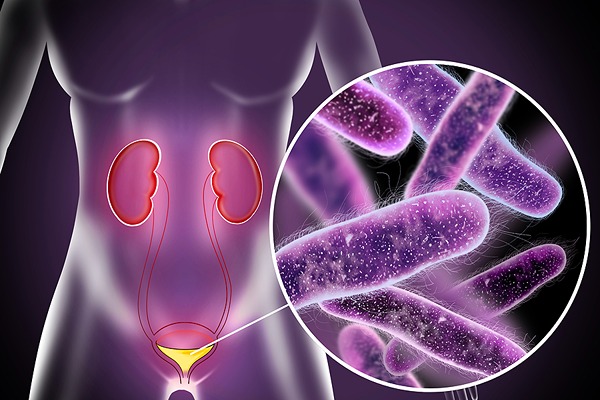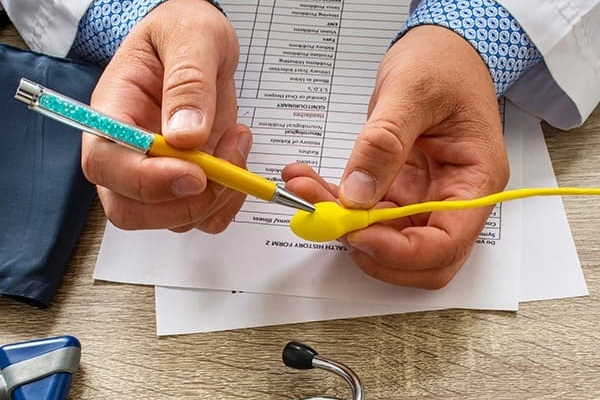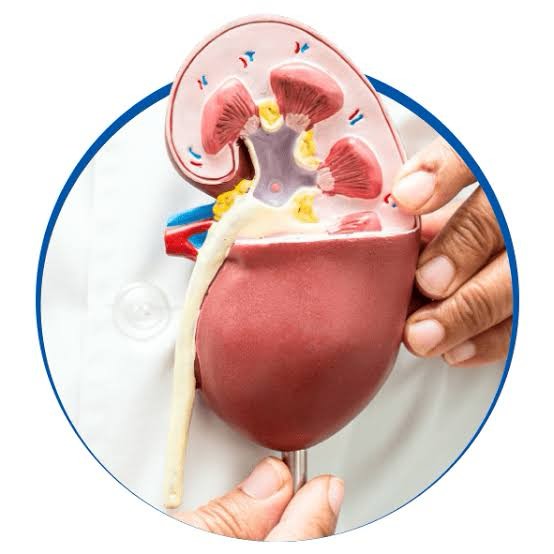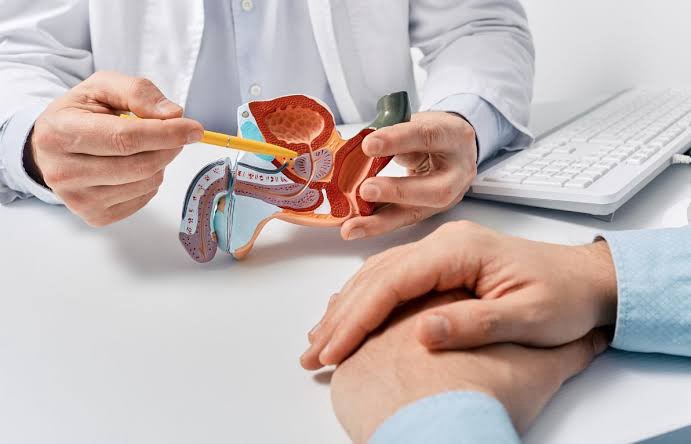

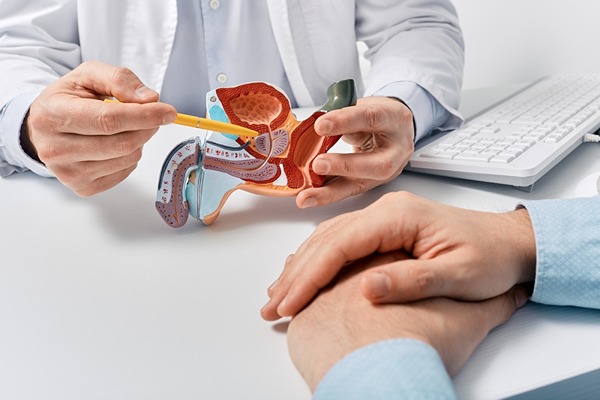
A vital component of male reproductive health is the prostate gland, a walnut-sized organ situated directly beneath the bladder. It generates seminal fluid, which feeds and carries sperm. But as men become older, this little gland frequently becomes a major cause of anxiety and discomfort.
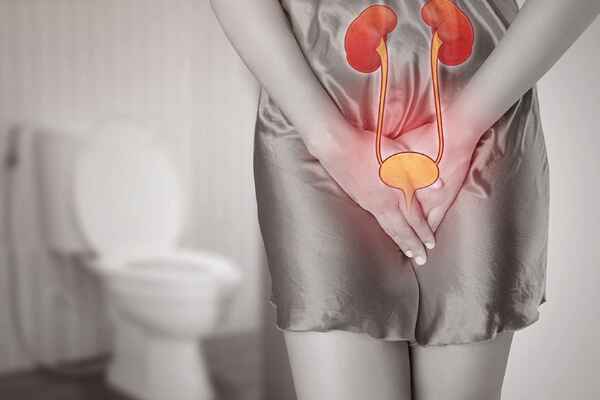
Prostate problems are more prevalent beyond the age of 50. Prostate cancer, prostatitis, and benign prostatic hyperplasia (BPH) are among the conditions that can impair sexual health, cause discomfort, and alter urine flow.
Even though prostate issues are common, quality of life can be greatly enhanced by early detection and professional management. With the use of cutting-edge diagnostic equipment and individualised treatment programs, senior urologist Dr. Kalyan Kumar A.V., one of the best urologists in Secunderabad, Hyderabad, has assisted many men in managing and recovering from prostate-related issues.
Let's learn about the prostate's functions, age-related problems, and when to get medical help.
Knowing the Prostate and How It Works
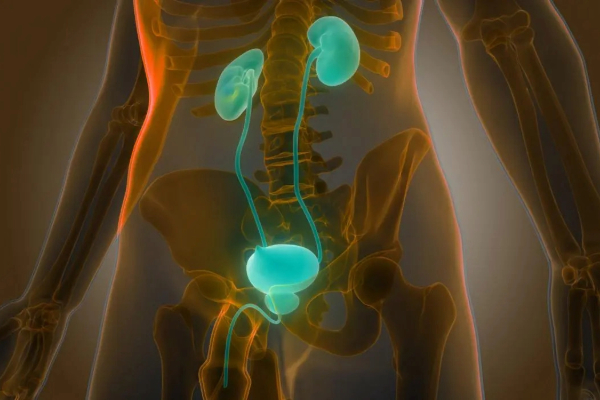
The urethra, the tube that exits the body with urine and semen, is encircled by the prostate gland. Prostate fluid, a part of semen that promotes sperm motility and fertilisation, is its main secretion.
The prostate is around the size of a walnut in younger men. The gland may expand as a result of hormonal changes brought on by ageing, particularly those involving testosterone and dihydrotestosterone (DHT). When the gland presses against the urethra, it might cause urinary problems, however this normal growth is usually benign.
1. Benign Prostatic Hyperplasia (BPH)
is a common prostate issue in men over 50.
BPH is an enlargement of the prostate gland that is not malignant. For men over 50, it's one of the most prevalent conditions. Urinary issues like these result from the prostate's compression of the urethra as it grows larger.
- Having trouble urinating
- Weak stream of urine
- Urinating a lot, especially at night
- Having the sensation that the bladder is not entirely empty
- Following urination, dribbling
Although BPH is not fatal, if left untreated, it can lead to complications like renal issues, bladder stones, and urine retention.
2. Prostatitis
Inflammation of the prostate gland is known as prostatitis. Men in their 30s to 60s are more likely to experience it, however it can happen at any age.
There are four primary categories:
- Acute bacterial prostatitis is an infection-related condition that frequently manifests as fever and pain.
- Recurrent infections that cause discomfort in the pelvis are known as chronic bacterial prostatitis.
- Chronic prostatitis/chronic pelvic pain syndrome (CP/CPPS) is an infection-free inflammation that is frequently brought on by stress.
- Tests reveal asymptomatic inflammatory prostatitis, which has no symptoms.
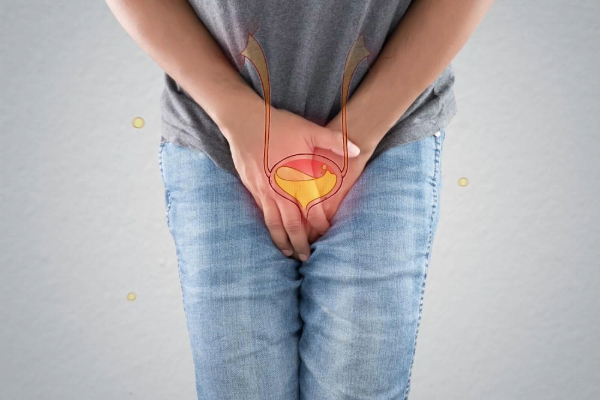
Burning when urinating, pelvic pain, painful ejaculation, and trouble urinating are some of the symptoms.
3. Cancer of the Prostate
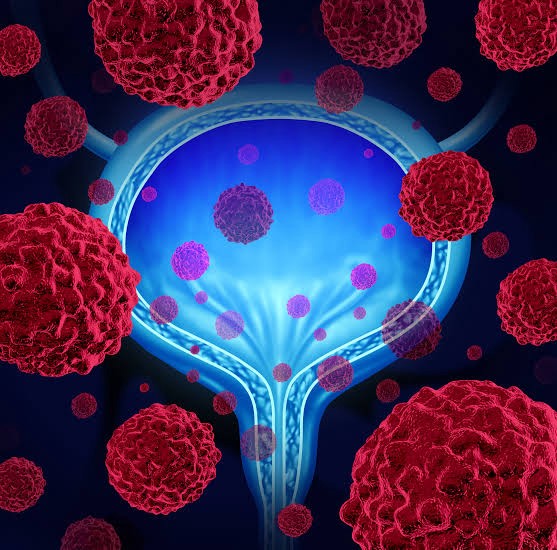
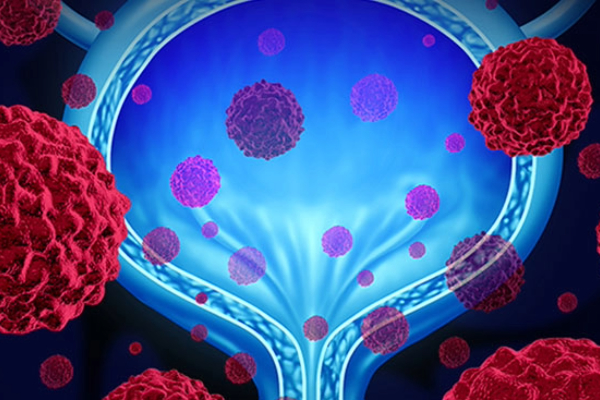
One of the most prevalent malignancies in males worldwide is prostate cancer. Early on, there are typically few symptoms and a modest rate of development. The significance of routine examinations is highlighted by the fact that certain aggressive types can spread swiftly.
Prostate cancer in its early stages is very curable. Early detection is aided by screenings like Digital Rectal Examinations (DRE) and PSA (Prostate-Specific Antigen) blood testing.
Warning Signs That Are Too Early to Ignore
Urinary pattern changes, no matter how slight, can indicate a prostate problem. Keep an eye out for these signs:
- Urine flow problems that are difficult to initiate or stop
- Stream that is weak or interrupted
- Increased nighttime urine frequency (nocturia)
- Urinating or ejaculating painfully
- Blood in semen or pee
- Hip, pelvic, or lower back pain
It's imperative that you see a senior urologist right away if you observe any of these. Ignoring symptoms could cause kidney or bladder damage in the long run.
The Reasons Behind the Rise in Prostate Issues After 50
Prostate problems are more prevalent as people age for a number of reasons:
- Hormonal Changes: Prostate development is stimulated by decreased testosterone and changed DHT levels.
- Decreased Physical Activity: Pelvic circulation is impacted by sedentary lifestyles.
- Obesity: Too much fat changes how hormones are metabolised.
- Diet: Diets heavy in fat and low in fibre raise the risk of inflammation.
- Family History: Men may be at risk for prostate cancer or BPH due to genetic causes.
- Chronic Conditions: Urinary symptoms might be exacerbated by diabetes and high blood pressure.
Diagnosis: How Urologists Recognise Issues with the Prostate
A thorough evaluation and a few painless tests are necessary for an accurate diagnosis. One of the top urologists in Secunderabad, Hyderabad, Dr. Kalyan Kumar A.V., is a senior urologist who effectively diagnoses prostate disorders by combining clinical knowledge with contemporary technologies.
1. Physical Inspection
The physician can feel the prostate to check its size, shape, and tenderness during a digital rectal examination (DRE).
2. Blood Test for PSA
Determines the amount of prostate-specific antigen; high levels could indicate malignancy, hypertrophy, or infection.
3. Study of Urine Flow
Determines the strength of your urine flow.
4. MRI or Ultrasound
Imaging aids in the detection of anomalies, stones, or enlargement.
5. The Biopsy
A tiny sample of tissue may be removed for examination if malignancy is suspected.
Options for Prostate Issue Treatment
The kind and severity of the ailment determine the course of treatment. Fortunately, with early detection, the majority of prostate issues are very treatable.
1. Modifications in Lifestyle
For minor symptoms:
- Steer clear of alcohol and coffee.
- Limit your fluid consumption in the evening.
- Keep your weight in check.
- Regular exercise can increase blood flow.
- Use yoga or meditation to reduce stress.
2. Drugs
- Alpha-blockers make urinating easier by relaxing the muscles in the bladder.
- Inhibitors of alpha reductase cause the prostate to shrink.
- Antibiotics for illnesses caused by bacteria.
- Painkillers for discomfort or inflammation.
3. Procedures With Minimal Invasiveness
Without requiring extensive surgery, blockage can be removed with contemporary therapies like UroLift, Laser Therapy, and Transurethral Resection of the Prostate (TURP).
4. Surgical Intervention
Surgery may be required for severe BPH or prostate cancer. Techniques have significantly improved, resulting in shorter recovery times and better outcomes.
5. Management of Prostate Cancer
Prostate excision, hormone therapy, radiation therapy, and active surveillance are possible forms of treatment. The patient's age, general health, and cancer stage all influence the decision.
The Function of Frequent Screening
Prostate exams can save lives, but many men avoid them out of embarrassment or fear. Better results and faster therapy are possible when cancer or BPH is detected early.
Experts advise:
- Every year, men over 50 should get their prostates checked.
- Between the ages of 40 and 45, men who have a family history of prostate cancer should begin screening.
Emotional and Sexual Health Considerations
Prostate troubles don’t just impair urine – they can also impact intimacy and self-esteem. Problems including erectile dysfunction, diminished libido, or premature ejaculation can develop.
Open communication with your partner and your doctor is important, according to Dr. Kalyan Kumar A.V. Urinary health and sexual function are both restored by numerous treatments. Counselling and assistance are equally important because ignoring emotional stress can exacerbate symptoms.
How to Avoid Prostate Issues
Even though ageing is unavoidable, there are a few things you can do to maintain the health of your prostate:
- Consume a diet high in omega-3 fats, cruciferous vegetables, tomatoes, and berries.
- Be sure to stay hydrated.
- Steer clear of red meat and processed foods.
- Pay attention to your urine symptoms.
- Give up smoking and drink less alcohol.
- Maintain your sexual activity because regular ejaculation may reduce your chances of prostate cancer.
Your best defence is prevention and early care.
Why Pick Prostate Care from Dr. Kalyan Kumar A.V.
You need knowledge, empathy, and trust when it comes to prostate health. One of the top urologists in Secunderabad, Hyderabad, Dr. Kalyan Kumar A.V., is a senior urologist with years of expertise in identifying and managing complicated prostate disorders. From diagnosis to recovery, his patient-centered, evidence-based approach guarantees comfort and confidence at every stage.
FAQs
1. When should I begin having checkups for my prostate?
Annual prostate screenings should be started after the age of 50, or earlier (between the ages of 40 and 45) if prostate cancer runs in your family.
2. Does an enlarged prostate necessarily indicate cancer?
No. Although they might coexist, BPH is a benign disorder unrelated to cancer.
3. Can sexual performance be impacted by prostate issues?
Indeed. Erectile dysfunction or diminished libido can be caused by conditions like BPH and prostatitis, although there are effective therapies for these conditions.
4. What meals are healthy for the prostate?
Nuts, berries, green leafy vegetables, tomatoes, and omega-3-rich fatty fish all aid in lowering inflammation.
5. Can symptoms related to the prostate go worse if you drink more water?
Drinking too much water, particularly right before bed, can make you urinate more at night. The key is moderation.
6. How uncomfortable is a prostate exam?
It only takes a few seconds and is mildly unpleasant but not painful.
7. Can BPH only be treated with surgery?
No. Medication or minimally invasive treatments are effective in many circumstances.
8. Is surgery usually necessary for prostate cancer?
Not all the time. Active surveillance can occasionally be used to treat slow-growing malignancies.
9. Can prostate health be improved by frequent exercise?
Indeed. Exercise promotes urine control, balances hormones, and lowers inflammation.
10. Does prostate cancer run in families?
Indeed, having a family history raises your risk, particularly if your brother or father had a diagnosis.
In Conclusion
Even though prostate issues are frequent, your older years don't have to be defined by them. Most men can have active, healthy lives well into their 60s and beyond with prompt medical care, lifestyle modifications, and professional advice.
Do not hesitate to seek assistance if you suffer changes in your sexual or urinary habits. One of the best urologists in Secunderabad, Hyderabad, Dr. Kalyan Kumar A.V., is a senior urologist who provides advanced, compassionate care that is customised to meet your needs. Expert management and early diagnosis really do make all the difference.
Book Your Appointment Today
🌐 Visit: www.urolifehyderabad.com
📞 Call: +91 6302699909
📍 Location: Vikrampuri, Secunderabad, Hyderabad, Telangana