
Beginning
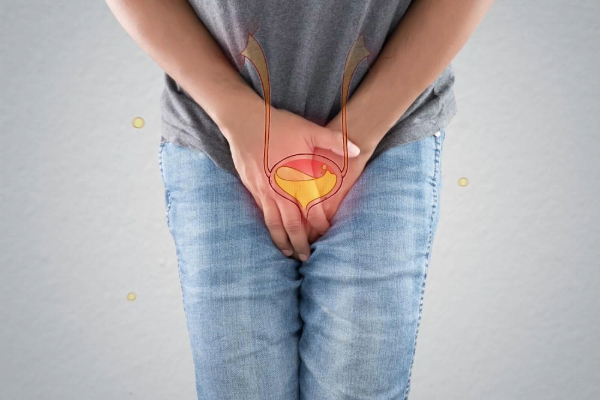
If you get a burning feeling when you urinate, feel like you need to go to the bathroom a lot, or have cloudy urine, these symptoms could mean you have a urinary tract infection (UTI). UTIs are more frequent in women, but they can also happen to males, especially those over 50 or those who already have urological problems such kidney stones or an enlarged prostate.
UTIs are widespread in all age groups in Hyderabad, a busy city where heat, dehydration, and stress from daily life are typical. If not treated, even a mild infection can move to the kidneys and cause major problems. That's why it's so important to get medical help right now.
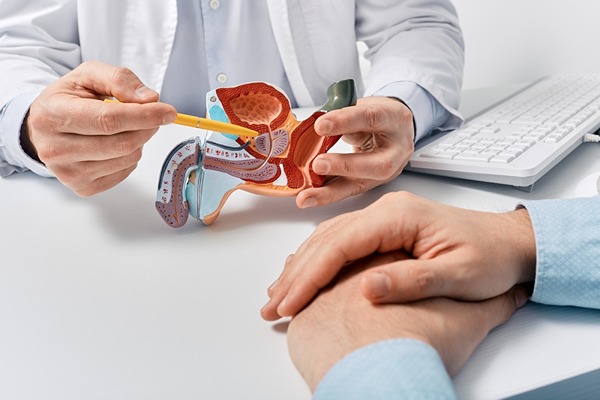
Dr. Kalyan Kumar A.V. is a senior urologist and one of the best urologists in Secunderabad, Hyderabad. He is an expert at diagnosing and treating urinary infections in a way that is easy for patients to understand and based on evidence. His years of experience make sure that each patient gets personalised therapy that focusses on full recovery and preventing future problems.
Getting to Know Urinary Tract Infections
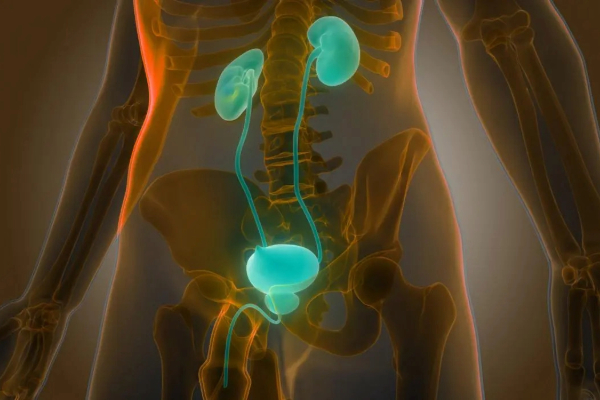
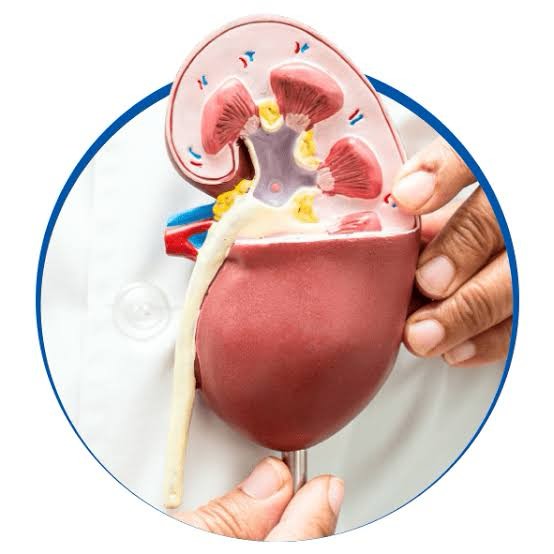
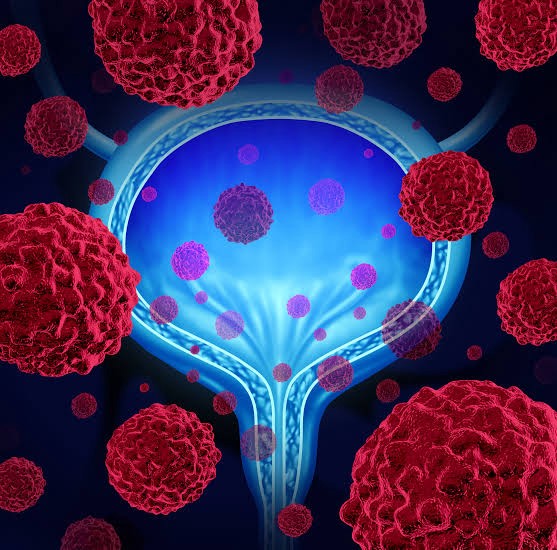
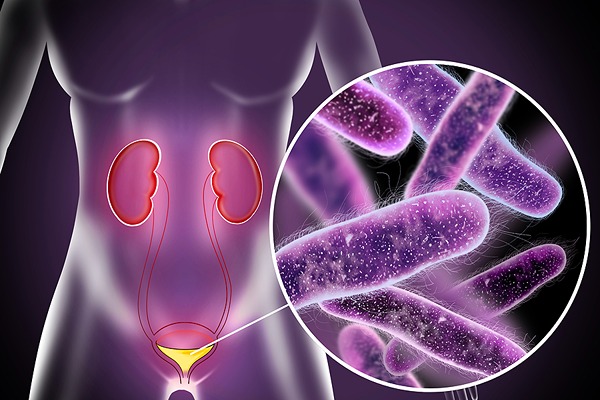
The kidneys, ureters, bladder, and urethra make up the urinary tract. A urinary tract infection (UTI) happens when bacteria, usually E. coli from the intestines, get into the urine system and grow.
UTIs are put into groups based on where the infection happens:
- Cystitis: Infection of the bladder (most common)
- Urethritis: Infection of the urethra
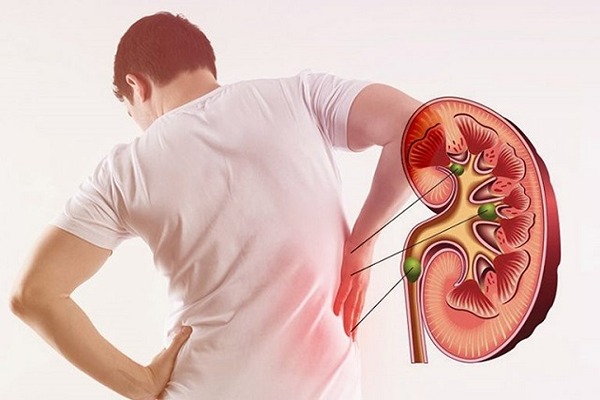
- Pyelonephritis: A more serious infection of the kidneys.
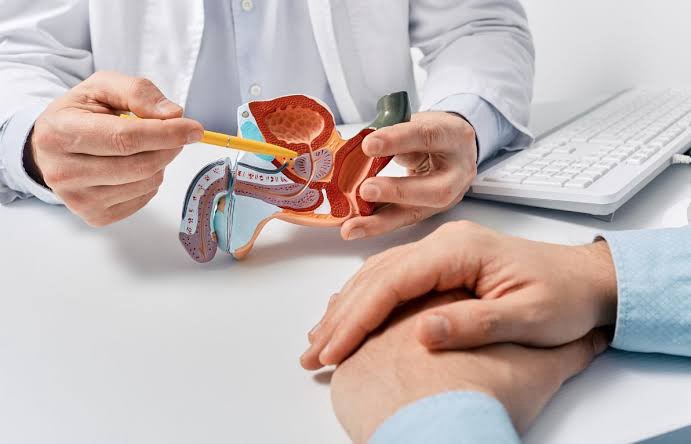
UTIs can happen to men, women, and even kids. But women are more likely to have them because their urethra is shorter, which makes it easier for bacteria to get to the bladder. UTIs in males often mean that there is something more going on, like prostate enlargement or kidney stones.
Typical Signs of UTIs
The symptoms of a UTI depend on which portion of the urinary system is affected, however some frequent ones are:
- Pain or a burning feeling when you pee
- A strong need to pee, even when the bladder is almost empty
- Urine that is cloudy, dark, or smells bad
- Blood in the pee (haematuria)
- Pain in the lower abdomen or pelvis
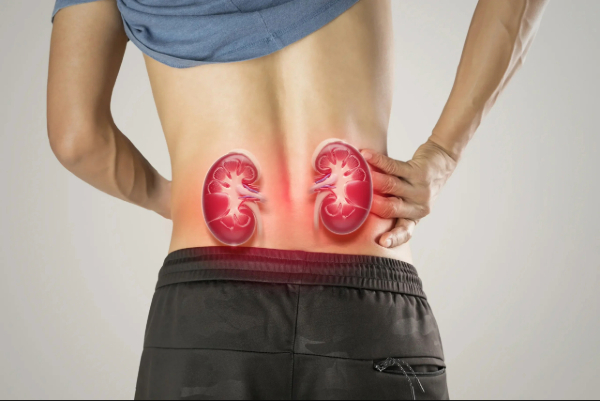
- Chills, fever, or back ache (if the kidneys are implicated)
If you have any of these symptoms, you should consult a senior urologist right once to stop the infection from spreading.
Causes and Things That Make It More Likely
1. Bacterial Entry
Most of the time, UTIs happen when bacteria from the gut get into the urinary system through the urethra. Not cleaning yourself well, wiping from back to front, or having sex can all spread bacteria.
2. Lack of water
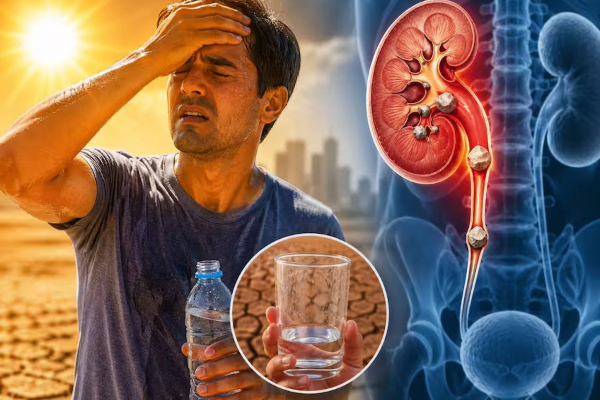
Not drinking enough water slows down the flow of urine, which lets bacteria grow.
3. Holding on to urine
Conditions such as Benign Prostatic Hyperplasia (BPH) or bladder stones may impede complete bladder evacuation, resulting in leftover urine that fosters bacterial proliferation.
4. Diabetes
When there is a lot of sugar in urine, it is a good place for bacteria to flourish.
5. Menopause
Women who have gone through menopause have hormonal changes that modify the flora in their vaginas and make them more likely to have infections.
6. Utilisation of Catheters
Long-term catheterisation can put bacteria directly into the bladder.
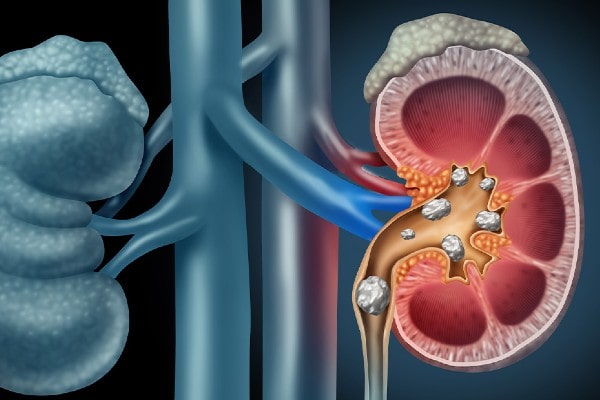
7. Kidney Stones
Stones block the flow of urine and provide bacteria a place to grow.
8. Suppressing the immune system
People who have weak immune systems or take long-term drugs like steroids are more likely to get UTIs.
How to Tell If You Have a UTI
1. Analysis of Urine
A simple test that looks for white blood cells, bacteria, or blood in urine.
2. Culture of urine
Finds out what kind of bacteria is causing the infection and which drugs will work best.
3. Ultrasound of the Bladder and Kidneys
Checks for stones, structural problems, or not emptying the bladder completely.
4. Cystoscopy
A thin camera is used to look for inflammation, tumours, or strictures in the bladder in those who get infections again and over again.
5. Tests on Blood
In really bad cases, blood tests may screen for infection spread and renal function.
Ways to Treat UTIs
1. Antibiotic Treatment
The most important part of treating a UTI. The kind of bacteria and how bad the infection are will determine the sort of antibiotic and how long it should be taken. Nitrofurantoin, ciprofloxacin, and cephalexin are some of the most commonly used drugs.
It is very important not to stop taking medicine too soon, even if your symptoms get better. This is because not finishing the treatment could cause the infection to come back or the bacteria to become resistant to antibiotics.
2. Pain Relief
Analgesics and urinary alkalisers help with pain and burning.
3. Getting enough water
Drinking a lot of water helps to get rid of bacteria in the urinary tract.
4. Fixing the root problems
If prostate enlargement or stones are the root cause, targeted treatments (like medication or surgery) are needed to prevent recurrence.
5. Hospitalization
For kidney infections or severe symptoms (like high fever or vomiting), intravenous antibiotics and fluids may be necessary.
Chronic and Recurrent UTIs
Some patients experience UTIs multiple times a year — known as recurrent infections. Causes include incomplete bladder emptying, resistant bacteria, or structural abnormalities.
In such circumstances, Dr. Kalyan Kumar A.V, the Best Urologist in Secunderabad, Hyderabad, uses advanced diagnostic techniques including uroflowmetry, cystoscopy, and prostate imaging to diagnose and address the root problem.
Preventive low-dose antibiotics, probiotics, and lifestyle adjustments may be indicated to reduce recurrence.
UTIs in Men: A Special Concern
While less prevalent, UTIs in men often signify underlying concerns such as:
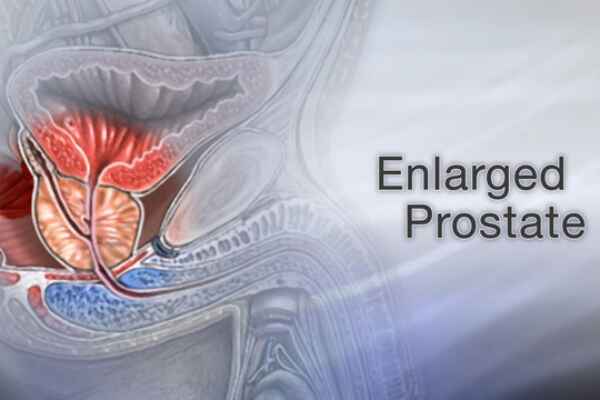
- Enlarged prostate blocking urine flow
- Urinary strictures (narrowed urethra)
- Kidney or bladder stones
- Chronic bacterial prostatitis
Men usually need lengthier courses of antibiotics and tests to find out if there are any anatomical causes of their infections.
Why UTIs are More Common in Women
Women are more likely to get UTIs due of:
- Shorter urethra makes it easier for bacteria to get in.
- Using spermicides or diaphragms
- Changes in hormones after menopause
- Not following good hygiene rules
Simple things like drinking water, going to the bathroom after sex, and wearing cotton underwear that lets air flow can make a major difference.
Older People with UTIs
Older people, especially those with diabetes, limited mobility, or who use catheters, are more likely to get complex UTIs. Instead of pain or fever, symptoms may include disorientation, tiredness, or loss of appetite.
Regular urological checkups can stop infections from getting worse or hurting the kidneys.
How to Stop UTIs
- Drink plenty of water.
To get rid of bacteria, drink at least 2–3 litres of water per day. - Don't Hold Your Pee
Empty your bladder often; retaining pee makes bacteria develop. - Follow good hygiene rules
Always clean your genitals before and after sex and wipe from front to back. - Stay away from harsh soaps
Chemical irritants can throw off the equilibrium of germs that are already there. - Pick Fabrics That Let Air Through
Cotton underwear and loose clothes keep moisture from building up. - After having sex, your bladder is empty.
Peeing shortly after intercourse helps get rid of microorganisms in the urethra. - Cut back on caffeine and alcohol
They can make symptoms worse by irritating the bladder. - Boost Your Immune System
Eat a healthy diet, work out often, and handle stress well.
Sexual Health and UTIs
Sexual activity can cause UTIs, but they are not sexually transmitted infections. This is especially true for women. Both couples should keep clean and visit a doctor if the symptoms come back often.
Chronic prostatitis can cause similar pain in men, therefore it's important to tell the difference between the two.
What happens if you don't cure a UTI?
Not paying attention to UTI symptoms might put your health at danger in a big way, such as:
- Infection of the kidneys (pyelonephritis)
- Kidney injury that lasts forever
- Sepsis (an infection that spreads to the blood)
- Damage to the bladder or strictures
- Infections that keep coming back and resistance to antibiotics
Early diagnosis and treatment stop these problems and keep your urinary health good for a long time.
Dr. Kalyan Kumar A.V. is an expert who can help you.
UTIs may appear small, but if you keep getting them, you need to contact a doctor to rule out any underlying problems.
Dr. Kalyan Kumar A.V. is a senior urologist and one of the best urologists in Secunderabad, Hyderabad. He uses current tools like urodynamic testing, endoscopic treatments, and sophisticated imaging to give patients full care. His focus on the patient makes sure that both short-term treatment and long-term prevention happen.
He makes personalised strategies for each patient, from young adults to seniors, that focus on comfort, education, and prevention.
Questions and Answers
1. Can UTIs be spread from person to person?
No, UTIs are not sexually transmitted, but having sex can make them more likely to happen.
2. How can I know if my kidneys are infected?
Severe back pain, fever, nausea, and chills are signs that the kidneys may be involved.
3. Can dehydration by itself cause UTIs?
Yes. Bacteria can grow more easily in concentrated urine.
4. Does cranberry juice work?
Cranberry extract might help stop mild infections, but it won't cure them. Always talk to your doctor first.
5. Why do some people develop UTIs over and over again?
Common causes include not fully emptying the bladder, problems with the structure, or bacteria that won't go away.
6. How long does it take to treat a UTI?
Infections that are simple go away in 3 to 7 days, but those that are more severe can take 10 to 14 days.
7. Is it okay for me to use antibiotics that don't need a prescription?
No. To avoid resistance, always take the antibiotics that a trained urologist gives you.
8. What happens if you don't cure a UTI?
It could spread to the kidneys or blood, which could lead to serious problems that could kill you.
9. Is there a chance that men will get UTIs following prostate surgery?
Yes, using a catheter for a short time or having surgery can raise the risk. Good hygiene and follow-up care are very important.
10. How can I naturally stop UTIs?
Drink water, keep clean, consume foods high in probiotics like yoghurt, and don't hold your pee.
In conclusion
A UTI may start off as a simple burning feeling, but if you don't pay attention to it, it can get worse soon. The best way to get better is to notice the signs early and get professional care.
If you or someone you care about gets UTIs often, see Dr. Kalyan Kumar A.V., a senior urologist and one of the best urologists in Secunderabad, Hyderabad, for expert diagnosis, treatment, and advice on how to avoid getting them again. You can get your urinary health back, stop it from happening again, and feel better with his all-around approach.
Book Your Appointment Today
🌐 Visit: www.urolifehyderabad.com
📞 Call: +91 6302699909
📍 Location: Vikrampuri, Secunderabad, Hyderabad, Telangana