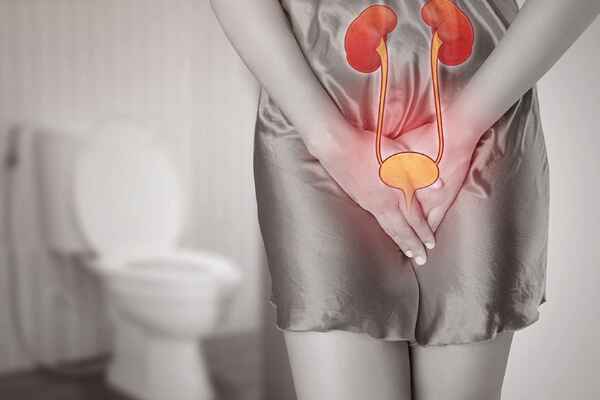

As temperatures rise in Hyderabad during May, many people experience dehydration without even realizing it. What most people don’t know is that dehydration is one of the leading causes of kidney stone formation. Every summer, urologists across India see a significant increase in patients suffering from severe kidney stone pain, urinary infections, and dehydration-related urinary complications.
At Urolife Hyderabad, patients frequently report symptoms like lower abdominal pain, burning urination, nausea, and blood in urine during peak summer months. These symptoms are often linked to kidney stones that form when the body lacks adequate fluids.
This detailed guide explains why kidney stones become more common in summer, early warning signs, prevention strategies, treatment options, and when to consult a urologist.
Why Kidney Stones Increase During Summer
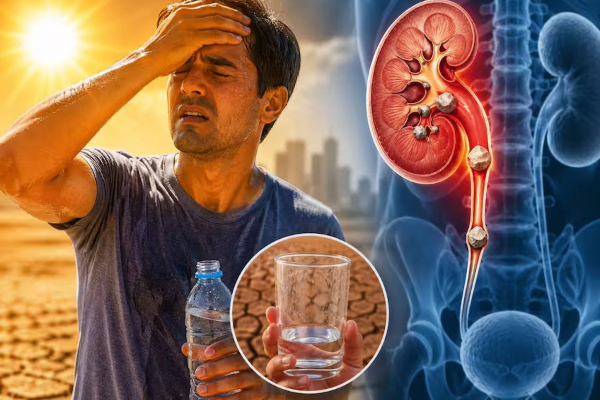
Kidney stones form when minerals and salts in urine become concentrated and crystallize. During hot weather, excessive sweating causes fluid loss, reducing urine volume. Concentrated urine allows calcium, oxalate, uric acid, and other minerals to stick together and form stones.
In cities like Hyderabad, where summer temperatures frequently cross 40°C, dehydration risk becomes much higher.
Main Reasons Summer Triggers Kidney Stones
- Excessive sweating without proper hydration
- Increased outdoor activity and heat exposure
- Consumption of sugary soft drinks instead of water
- High salt intake causing calcium imbalance
- Reduced urine output
- Frequent dehydration in working professionals
People who already had kidney stones once are especially vulnerable to recurrence during summer.
What Are Kidney Stones?
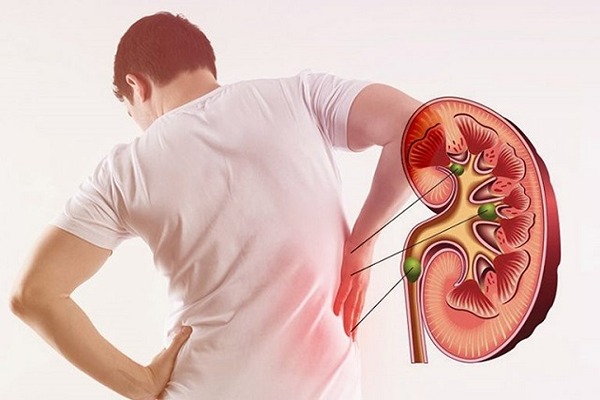
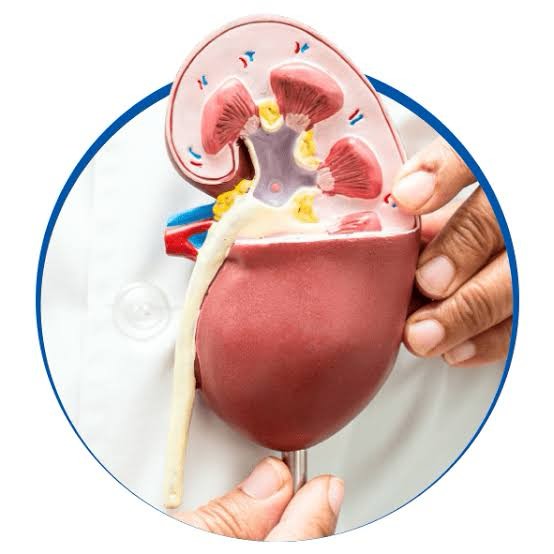
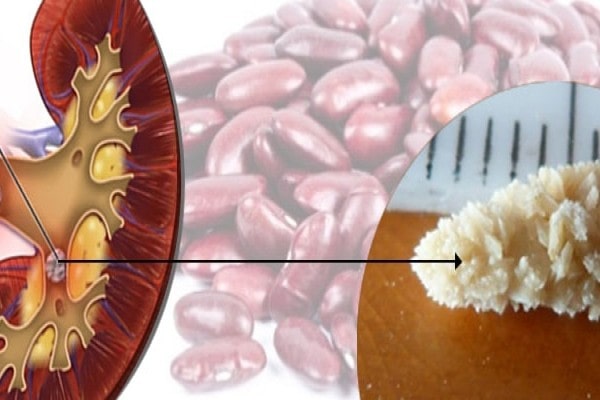
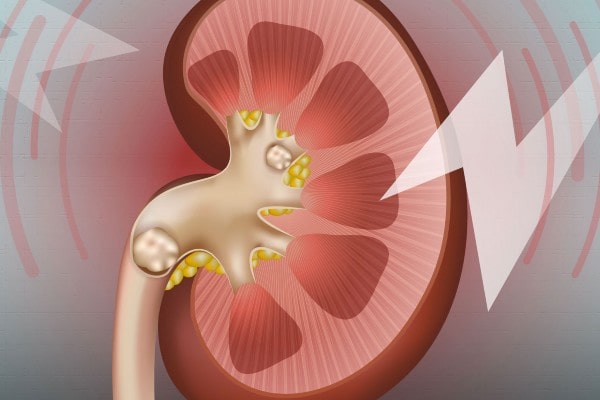
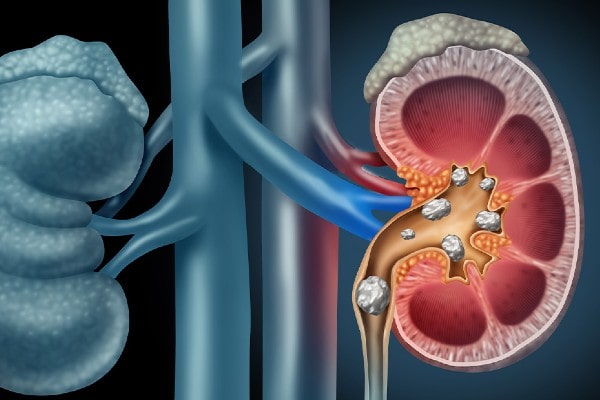
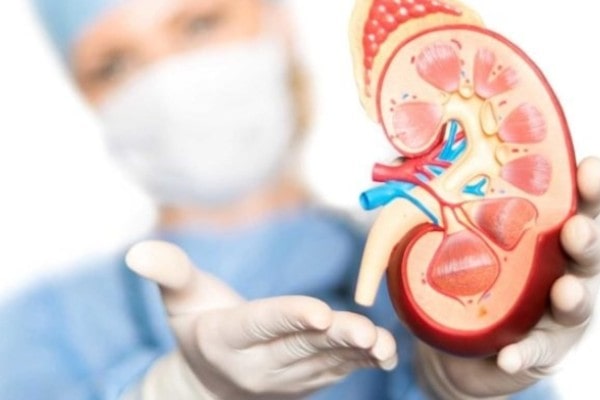
Kidney stones are hard mineral deposits that develop inside the kidneys or urinary tract. They can vary from tiny crystal-like particles to larger stones that block urine flow.
Common Types of Kidney Stones
1. Calcium Oxalate Stones
The most common type. Often linked to dehydration, high sodium intake, and oxalate-rich foods.
2. Uric Acid Stones
Common in people consuming high-protein diets or suffering from gout.
3. Struvite Stones
Usually associated with urinary tract infections.
4. Cystine Stones
Rare hereditary stones caused by genetic disorders.
Early Symptoms of Kidney Stones
Many people ignore early warning signs until pain becomes unbearable. Recognizing symptoms early can help avoid complications.
Common Symptoms Include
- Sharp pain in the back or side
- Lower abdominal pain
- Pain while urinating
- Frequent urge to urinate
- Blood in urine
- Cloudy or foul-smelling urine
- Nausea and vomiting
- Fever with chills (possible infection)
The pain may come in waves and can radiate toward the groin region.
Who Is at Higher Risk?
Some individuals are naturally more prone to kidney stones.
High-Risk Groups
- People with previous kidney stones
- Individuals who drink less water
- Outdoor workers exposed to heat
- IT professionals sitting long hours without hydration
- Patients with obesity or diabetes
- Individuals consuming high salt diets
- People with family history of kidney stones
Men are statistically more likely to develop kidney stones, though women are increasingly affected due to lifestyle changes.
How Much Water Should You Drink in Summer?
Hydration is the single most effective prevention strategy.
Most adults should aim for:
- 3 to 4 liters of water daily during summer
- More if exposed to heat or physical activity
A simple indicator is urine color:
- Pale yellow = good hydration
- Dark yellow = dehydration warning
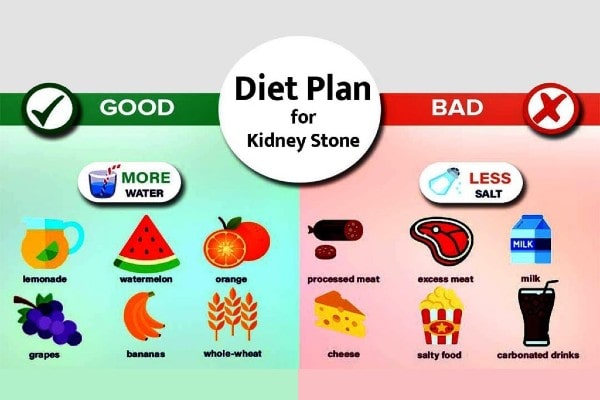
Best Fluids for Kidney Stone Prevention
- Plain water
- Coconut water
- Lemon water
- Buttermilk
- Fresh fruit-infused water
Drinks to Limit
- Soft drinks
- Energy drinks
- Excess tea and coffee
- Alcohol
- Sugary packaged juices
Foods That May Increase Kidney Stone Risk
Diet plays a major role in stone formation.
High-Risk Foods
- Excess salt
- Processed foods
- Red meat
- Spinach
- Chocolates
- Nuts in excess
- High-sugar foods
This does not mean avoiding these foods completely. Moderation and hydration are key.
Summer Lifestyle Tips to Prevent Kidney Stones
1. Never Ignore Thirst
By the time you feel thirsty, mild dehydration has already started.
2. Carry Water Everywhere
Keep a water bottle during travel or work.
3. Reduce Salt Intake
High sodium increases calcium excretion in urine.
4. Avoid Holding Urine
Delaying urination can worsen urinary problems.
5. Eat Hydrating Fruits
Watermelon, cucumber, oranges, and muskmelon help maintain hydration.
6. Exercise Smartly
Avoid intense outdoor workouts during peak afternoon heat.
Can Kidney Stones Go Away Naturally?
Small kidney stones may pass naturally through urine if:
- The stone is small
- There is no infection
- Urine flow is not blocked
Doctors may recommend:
- Increased water intake
- Pain medications
- Medical expulsive therapy
However, larger stones usually require medical intervention.
Modern Treatment Options for Kidney Stones
Advanced urology treatments now allow minimally invasive stone removal with faster recovery.
Common Treatments Include
Laser Stone Removal
A minimally invasive procedure using laser technology to break stones into tiny fragments.
Ureteroscopy (URS)
A thin scope is inserted through the urinary tract to remove stones.
PCNL (Percutaneous Nephrolithotomy)
Used for larger kidney stones.
ESWL (Shock Wave Therapy)
Shock waves break stones into smaller pieces.
At Urolife Hyderabad, treatment plans are customized depending on stone size, location, symptoms, and patient health condition.
Complications of Untreated Kidney Stones
Ignoring kidney stone symptoms can lead to serious complications.
Potential Risks
- Severe urinary infection
- Kidney swelling
- Urinary blockage
- Kidney damage
- Recurrent infections
- Emergency hospitalization
Immediate medical attention is necessary if symptoms include fever, severe pain, vomiting, or inability to urinate.
Why Early Diagnosis Matters
Early diagnosis allows doctors to:
- Prevent stone enlargement
- Reduce pain episodes
- Avoid surgical complications
- Protect kidney function
Common Diagnostic Tests
- Ultrasound
- CT Scan
- Urine examination
- Blood tests
Timely diagnosis improves treatment success significantly.
When Should You See a Urologist?
Consult a urologist immediately if you experience:
- Persistent side or back pain
- Blood in urine
- Burning urination
- Recurrent urinary infections
- Sudden severe abdominal pain
- Difficulty passing urine
Delaying consultation may worsen complications and increase treatment complexity.
Expert Kidney Stone Care in Hyderabad
Kidney stones are highly manageable when diagnosed early and treated correctly. During Hyderabad’s extreme summer season, maintaining hydration and recognizing early symptoms becomes essential.
Urolife Hyderabad focuses on advanced urology care, minimally invasive treatments, and personalized patient management for kidney stones and urinary disorders.
Patients experiencing recurrent urinary symptoms, dehydration-related complications, or kidney stone pain should seek expert evaluation before symptoms worsen.
Frequently Asked Questions (FAQs)
1. Why are kidney stones more common in summer?
Hot weather causes excessive sweating and dehydration, leading to concentrated urine that promotes stone formation.
2. Can dehydration alone cause kidney stones?
Yes. Chronic dehydration is one of the biggest risk factors for kidney stones.
3. What is the fastest way to prevent kidney stones?
Drinking adequate water daily is the most effective prevention method.
4. Is coconut water good for kidney stones?
Yes. Coconut water may help improve hydration and support urinary health.
5. Are kidney stones very painful?
Yes. Kidney stone pain can be extremely severe, especially when the stone blocks urine flow.
6. Can kidney stones come back after treatment?
Yes. Without lifestyle and dietary changes, recurrence is common.
7. Which doctor should I consult for kidney stones?
A urologist specializes in diagnosing and treating kidney stones and urinary tract disorders.
8. Are laser treatments safe for kidney stones?
Modern laser stone removal procedures are generally safe, minimally invasive, and effective.
9. What foods should be avoided during kidney stone problems?
Limit excess salt, sugary drinks, processed foods, and high-oxalate foods if advised by your doctor.
10. When is kidney stone pain considered an emergency?
Seek immediate medical care if pain is severe, accompanied by fever, vomiting, or difficulty urinating.