
Overview
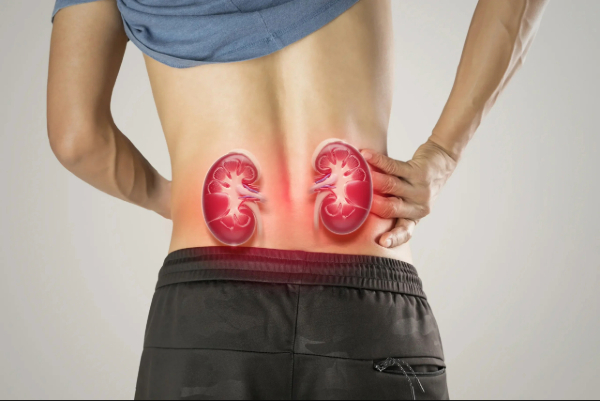
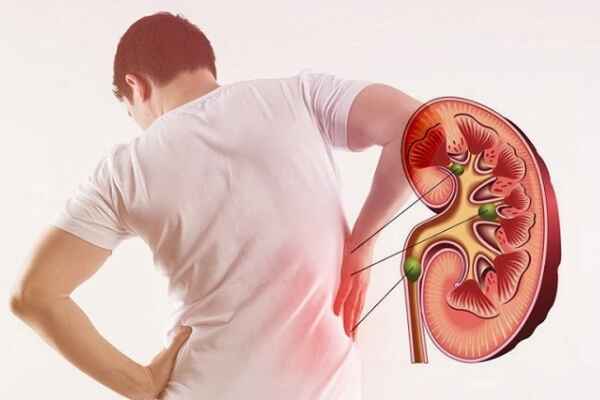
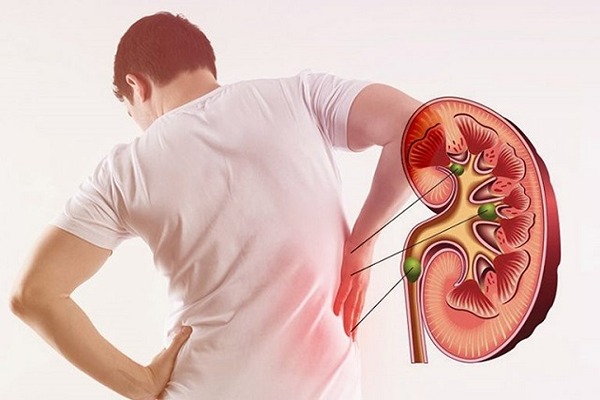
You may have kidney stones if you have sharp pain in your lower back or side, nausea, or blood in your urine. Even though kidney stones are very frequent, not many people know how they develop, what causes them, or how to avoid them.
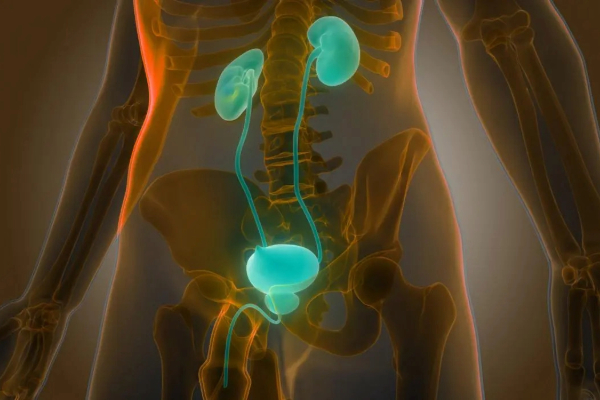
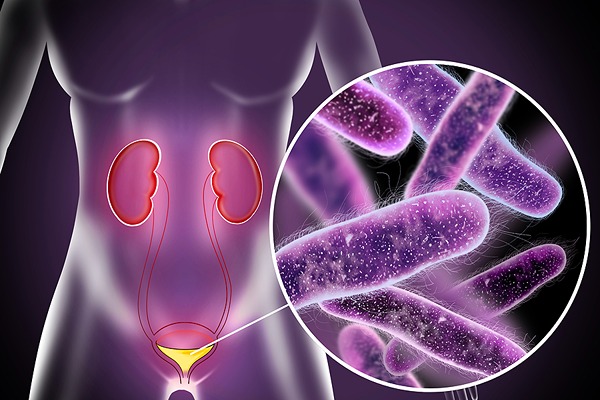
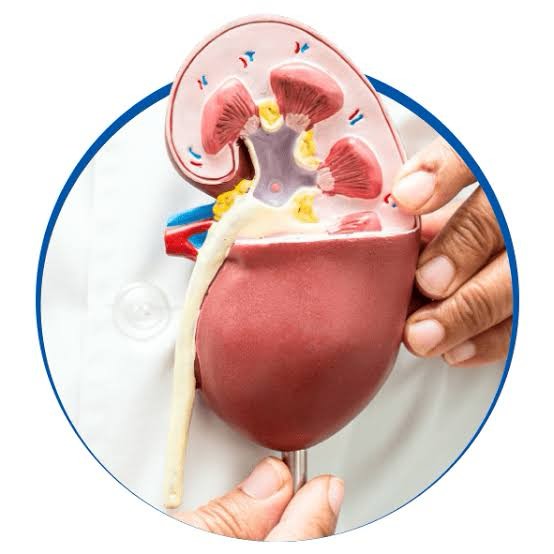
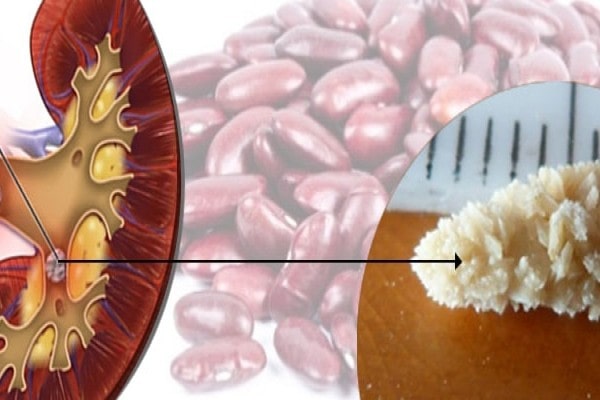
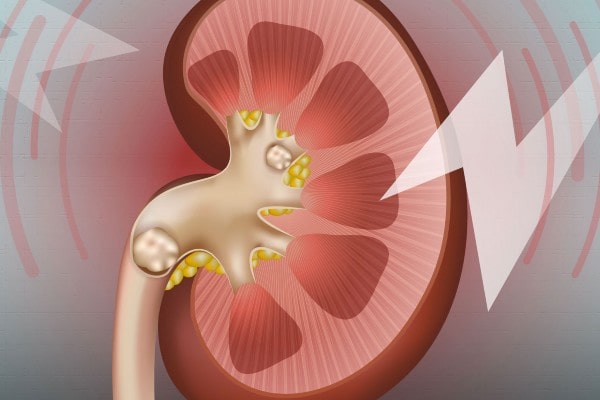
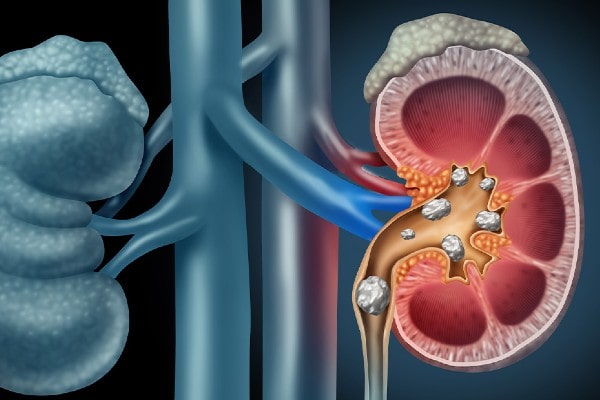
Waste materials crystallise and adhere to one another inside your kidneys to produce kidney stones, which are tiny, hard mineral deposits. They can range in size from little, undetectable grains to bigger stones that are quite painful and can even obstruct urine flow.
Kidney stones are becoming more common in areas like Hyderabad, where people tend to eat more hot and salty dishes and drink less water. The best urologist in Secunderabad, Hyderabad, Dr. Kalyan Kumar A.V., is a senior urologist who can aid with early diagnosis, prevention, and contemporary treatment of this excruciating ailment.
Why Do People Get Kidney Stones?
When your urine contains more crystal-forming chemicals, including calcium, oxalate, or uric acid, than the fluid in your urine can dilute, kidney stones, also called renal calculi, can develop. Urine may also be deficient in chemicals that stop crystals from adhering to one another. As a result, the conditions for stone creation are perfect.
Kidney Stone Types
Stones of Calcium (Most Common)
- Made of calcium phosphate or calcium oxalate.
- Associated with diets heavy in salt or oxalate (beetroot, almonds, and spinach).
Stones of Uric Acid
- Frequently seen in those with high-protein diets, gout, or dehydration.
Stones of Struvite
- Connected to UTIs (urinary tract infections).
- Grow swiftly and have the potential to go big.
Stones of Cystine
- Uncommon and typically inherited.
Dr. Kalyan Kumar A.V. stresses throughout individualised consultations that specific prevention and treatment techniques are needed for each type.
Typical Reasons for Kidney Stones
Kidney stones are more likely to occur when certain factors are present:
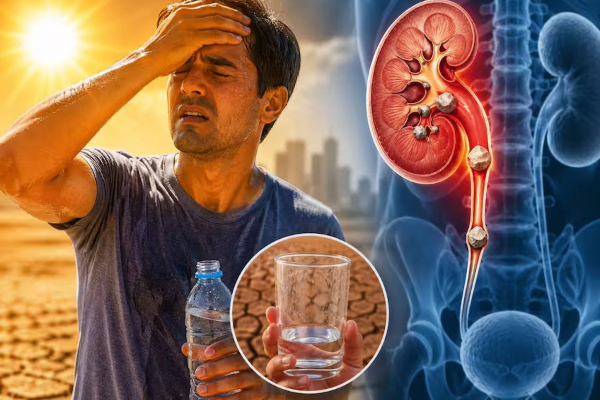
- Dehydration: Urine that is concentrated due to insufficient water intake allows minerals to crystallise.
- High-Sodium Diet: Salt causes calcium levels in the urine to rise, which encourages the development of stones.
- High Protein Intake: Consuming too much fish or meat causes uric acid levels to rise.
- Foods High in Oxalate: Chocolate, tea, spinach, and almonds can all increase oxalate levels.
- Elevated Calcium and Uric Acid: Associated with obesity and a sedentary lifestyle.
- Family History: Genetic susceptibility.
- Medication: Some calcium-based medications, diuretics, and antacids can result in stones.
Note: Dehydration is a major factor in Hyderabad's hot environment; many patients are unaware of how rapidly they lose fluids through perspiration, especially in the summer.
Kidney Stone Symptoms
The placement and size of the stone affect the symptoms. Before it passes through your urinary tract, you might not even be aware that you have a tiny one. However, larger stones result in more severe symptoms like:
- Severe, cramping pain in the side, abdomen, or lower back
- Radiating pain to the groin
- Urine with blood in it (pink, red, or brown)
- Urging frequently or feeling the need to urinate
- Vomiting and feeling queasy
- Burning feeling when urinating
- Chills or fever (signalling an illness)
Note: As the stone passes through the ureter, the pain frequently occurs in waves, beginning abruptly, getting worse, and then getting better.
When an Urologist Should Be Seen
Get medical help right now if you suffer from:
- Excruciating pain that doesn't go away when you rest
- Sustained nausea and vomiting
- Urine with blood in it
- Urinary difficulties
- Pain and fever (which may be signs of an illness)
Treatment delays may result in infection, renal damage, or total obstruction of urine flow. For this reason, seeking the advice of a skilled senior urologist such as Dr. Kalyan Kumar A.V. guarantees prompt diagnosis and safe treatment alternatives.
How Do They Diagnose Kidney Stones?
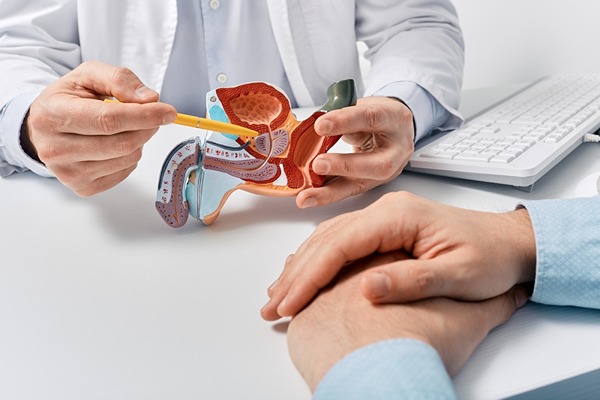
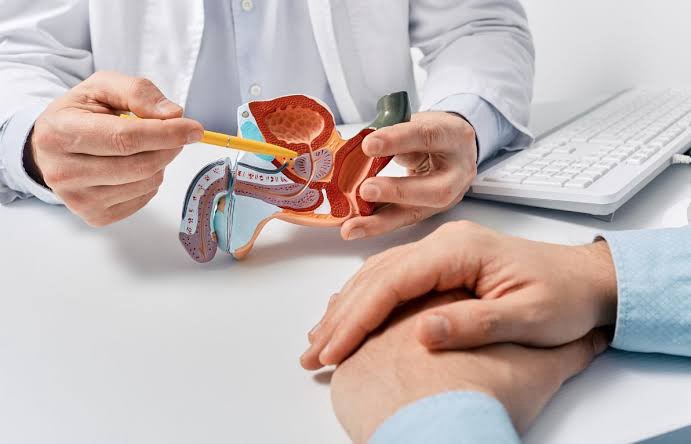
A thorough history, physical examination, and diagnostic imaging are usually the first steps in the diagnosing process at Urolife Hyderabad.
Diagnostic examinations could consist of:
- Urinalysis: Identifies blood, infections, or crystals.
- Blood tests: Assess renal function, uric acid, and calcium levels.
- Ultrasound: A non-invasive method that works well for detecting stones.
- CT scan: The most precise imaging method for locating and sizing stones.
- X-ray (KUB): Sometimes used to track larger stones.
Note: Determining whether the stone can pass spontaneously or needs to be removed requires an accurate diagnosis.
Options for Kidney Stone Treatment
The size, kind, and location of the stone, as well as whether it is obstructing or infecting the area, will determine how it is treated.
1. Non-Surgical Conservative Management
- With adequate hydration, pain management, and medicine, little stones (less than 5 mm) frequently go away on their own.
- Your physician might recommend:
- Painkillers
- Alpha-blockers (which ease ureteric muscle tension to facilitate the passage of stones)
- Dietary changes to avoid recurrence
2. Shock Wave Lithotripsy Extracorporeal (ESWL)
- A non-invasive technique that breaks stones into tiny fragments using shock waves.
- Useful for kidney or upper ureter stones.
- Swiftly recovered after an outpatient treatment.
3. URS (Ureteroscopy)
- A tiny scope is inserted into the bladder and urethra to find the stone.
- The stone is broken up into pieces for removal using laser energy.
- Very minimally invasive and perfect for ureteric stones.
4. PCNL (Percutaneous Nephrolithotomy)
- Used to treat complicated or large kidney stones.
- Involves making a tiny incision in the back to reach and extract stones directly.
- A brief hospital stay while under anaesthesia.
5. Robotic or Laparoscopic Surgery
- Saved for uncommon or challenging situations when alternative methods are ineffective.
- Provides speedier recovery, less scarring, and accuracy.
Dr. Kalyan Kumar A.V., the top urologist in Secunderabad, Hyderabad, practices advanced endoscopic and laser procedures at Urolife Hyderabad to reduce pain, promote speedy recovery, and stop recurrence.
Dietary and Lifestyle Advice for Preventing Kidney Stones
Since your chances of getting another kidney stone rise sharply after having one, prevention is crucial to preventing recurrence.
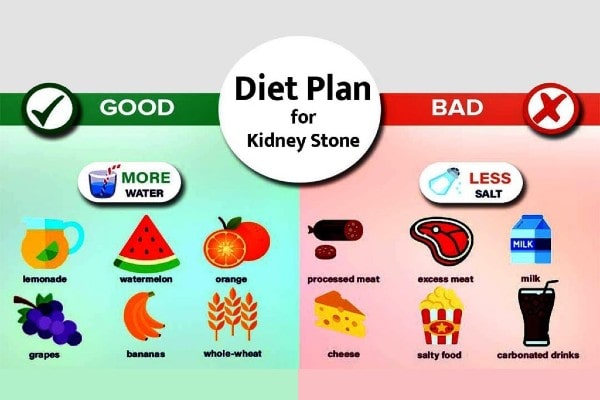
- Drink plenty of water: At least 2.5 to 3 litres daily. Add citrus fruits to raise citrate levels.
- Cut Back on Sodium Consumption: Avoid processed foods and too much salt.
- Maintain Balanced Calcium Intake: Dietary calcium binds oxalate in the gut. Include low-fat dairy in moderation.
- Limit Oxalate-Rich Foods: Spinach, beets, almonds, chocolate in moderation, preferably paired with calcium sources.
- Eat More Fruits and Vegetables: Alkaline foods such as bananas, melons, and cucumbers neutralize acid in urine.
- Maintain a Healthy Weight: Obesity affects urine chemistry, making stones more prevalent. Exercise regularly.
- Limit Animal Protein: Too much meat increases uric acid; opt for plant-based proteins more regularly.
Particular Attention to Hyderabad Residents
- Hot weather and fiery cuisine increase dehydration and excessive salt consumption.
- Office workers may neglect water intake; consider hydration breaks with lemon water.
- Tea, coffee, and aerated beverages can cause dehydration; replace with plain or infused water.
Recuperation and Extended Care
Regular follow-ups are essential following stone removal. You may require:
- Repeated urine testing to track calcium and uric acid levels
- Imaging to ensure stones haven't returned
- Dietary guidance to control risk factors
- Medications for recurring stones, such as potassium citrate or thiazide diuretics
Dr. Kalyan Kumar A.V. assists patients in changing their dietary, exercise, and hydration practices to prevent recurrence of stones.
FAQs Concerning Kidney Stones
- Are kidney stones able to go away on their own?
Yes, with lots of fluids and moderate medicine, tiny stones (less than 5 mm) frequently pass naturally. Medical intervention is typically necessary for larger stones. - How may kidney stone pain be relieved the quickest?
Hydration, medications, and a medical evaluation to determine the obstruction provide immediate relief. Do not self-medicate. - Are kidney stones harmful?
If left untreated, stones can lead to kidney damage, infection, or even failure. Early intervention is essential. - Is surgery usually necessary for kidney stones?
No. Surgery is only necessary to remove large, obstructive, or extremely painful or infected stones. - Which diet is best for preventing stones?
Stones can be avoided with a balanced diet that includes moderate amounts of calcium, less salt, and lots of water. - Can kidney stones be prevented by drinking beer?
No. Alcohol dehydrates the body, which can exacerbate the production of stones. - After surgery, can kidney stones return?
Indeed. Stones may recur if dietary and lifestyle modifications are not made. - Do kidney stones occur frequently in Hyderabad?
Indeed, kidney stones are widespread in Hyderabad among both men and women because of the city's climate, food, and drinking habits. - How are complicated kidney stones treated by Dr. Kalyan Kumar A.V.?
He ensures efficient outcomes and a speedy recovery by using endoscopic and minimally invasive laser techniques. - Can kidney stones occur in children?
Children can develop stones due to food, dehydration, or heredity; however, this is uncommon. Early assessment is essential.
In Conclusion
Although kidney stones can cause excruciating agony, they are completely treatable with prompt diagnosis, appropriate care, and preventative measures. Your best defences are to maintain a healthy lifestyle, consume a balanced diet, and stay hydrated.
Don't disregard the warning signs if you have a history of kidney stones or suspect symptoms. Dr. Kalyan Kumar A.V., a senior urologist and the best urologist in Secunderabad, Hyderabad, provides cutting-edge diagnostic tools and minimally invasive procedures for full healing and long-term prevention.
Take care of your kidneys before a little stone becomes a major one since they work tirelessly every day.
Book Your Appointment Today
🌐 Visit: www.urolifehyderabad.com
📞 Call: +91 6302699909
📍 Location: Vikrampuri, Secunderabad, Hyderabad, Telangana