

Kidney Cancer Treatment in Secunderabad
What is Kidney Cancer?
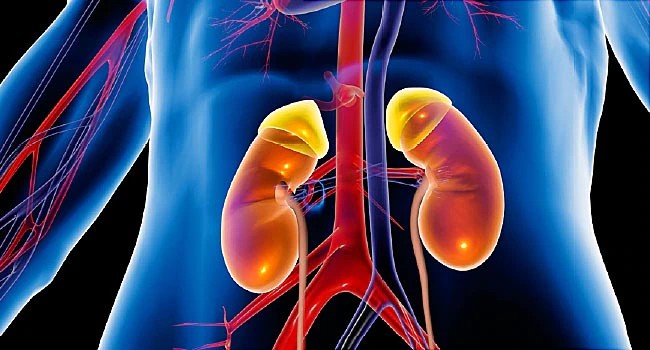
Our kidneys’ main job is to filter our blood. Sometimes we develop masses (growths or tumors) inside our kidneys. Some of these growths are cancerous but many are not. You must have your mass checked out to learn if it is cancerous or not.
There are many different options for treatment. Often there are even more choices if your cancer is found early. Your medical team is there to help you. They can help you learn more about the pros and cons of treatments. Here we share more about kidney cancer and the steps you can take if a mass forms in your body.
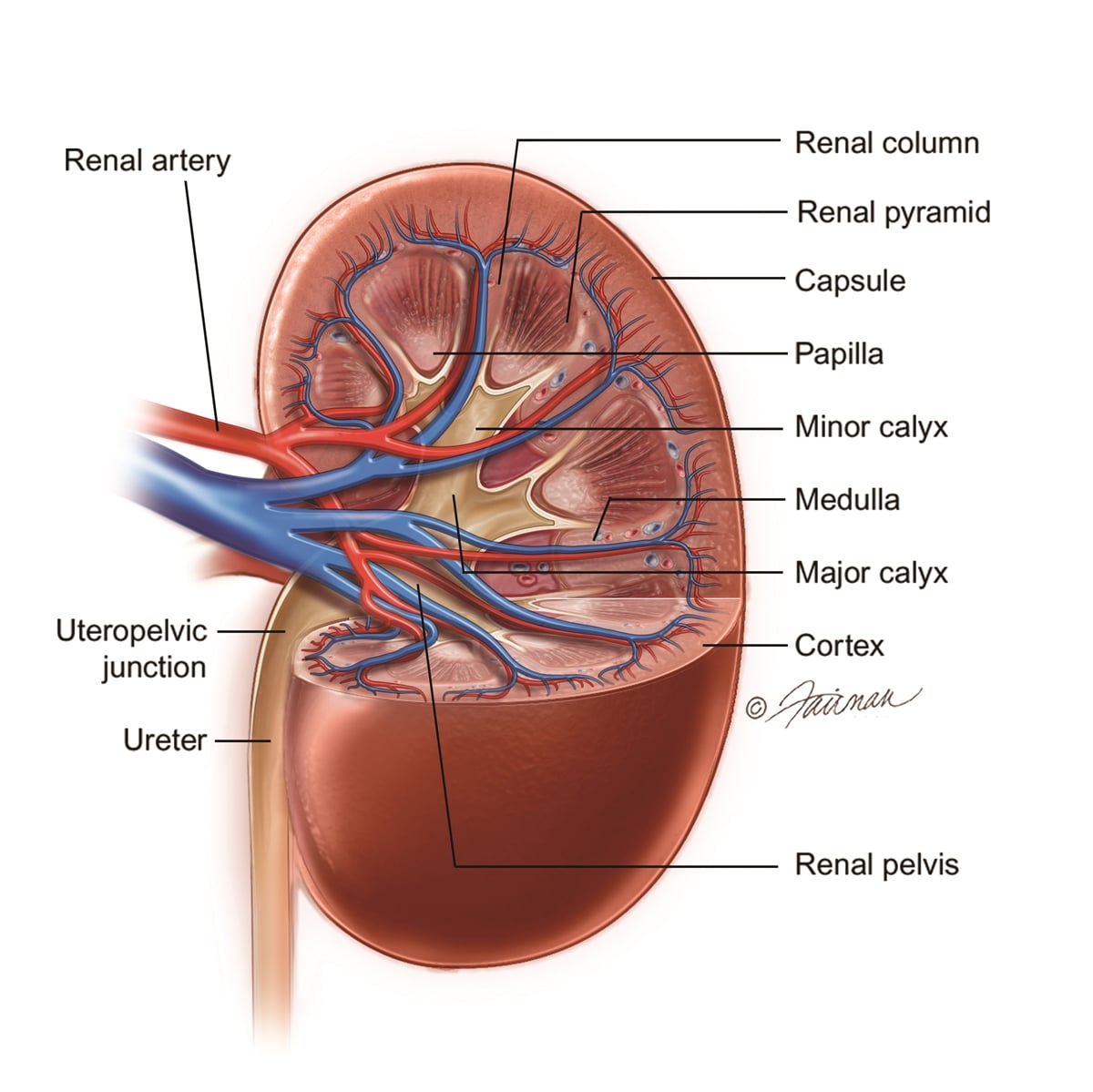
What is the Purpose of our Kidneys?
Our kidneys serve many purposes, but they mainly do the following:
- Detoxify (clean) our blood
- Balance fluids
- Maintain electrolyte levels (e .g ., sodium, potassium, calcium, magnesium, acid)
- Remove waste (as urine)
- Make hormones that help keep our blood pressure stable, make red blood cells, and keep our bones strong
What is a Kidney Mass?
A tumor, or mass, is an abnormal growth in the body. A kidney mass, or tumor, is an abnormal growth in the kidney. Some kidney masses are benign (not cancerous) and some are malignant (cancerous).
One in four kidney masses is benign. Smaller masses are more likely to be benign. Larger masses are more likely to be cancerous. Some tumors may grow slowly while some can be faster growing – or more aggressive. Aggressive tumors may form, grow and spread very quickly.
Most kidney growths (about 40%) are small, localized masses. Localized means that the tumor has not spread - from where it first started. The main classes of tumors are:
- Renal cell carcinomas (RCC) . These are the most common malignant kidney tumors. They are found in the main substance of the kidney, where the filtering occurs. RCC may form as a single tumor within a kidney or as two or more tumors in one kidney.
- Benign kidney tumors. About 20% of tumors removed from kidneys are benign. There are about nine named tumors in this class. Some can grow quite large but they are almost always non-cancerous and do not spread to other organs.
- Wilms tumors. Wilms tumors almost always occur in children and are rarely found in adults.
Basic Facts about Kidney Cancer
Kidney cancer is one of the top 10 most common cancers in the United States, with more than 76,000 new cases diagnosed each year. More men than women are diagnosed with kidney cancer. Kidney cancer can be seen in anyone but is more common in African Americans, American Indians, and Alaskan Native people. You can get kidney cancer at any age but it is more common in older people (those greater than 75 years old). The earlier kidney cancer is diagnosed—the better your chances of survival.
What Causes Kidney Masses?
There is no known cause for developing a kidney mass. But there are a number of things that can increase your risk for kidney tumors such as:
- Smoking
- Obesity, poor diet
- High blood pressure
- Being on kidney dialysis
- Workplace exposure to chlorinated chemicals
- Heredity, which accounts for about 4-6% of kidney cancer cases
What are the Symptoms of a Kidney Mass?
Most kidney masses have no symptoms in the early stages. If there are symptoms, they will most likely be:
- Hematuria (blood in urine)
- Flank pain between the ribs and hips
- Low back pain on one side (not caused by injury) that does not go away
- Loss of appetite
- Weight loss not caused by dieting
- Fever that is not caused by an infection and does not go away
- Anemia (low red blood cell count)
Diagnosis
Over half of kidney masses are found by chance. Often they are found during generic screening or when you see a doctor about some other problem. If your doctor thinks you may have kidney problems, they might send you to a urologist. A urologist is a doctor who specializes in the urinary system.
There are no routine laboratory tests to find kidney masses. Your health care provider may use many tests to help learn more about your kidneys. Here are some tests and procedures you might expect:
- Physical exam and history
- Basic or complete metabolic panel (CMP) to check organ function
- Complete blood count (CBC) to check the blood for signs of disease
- Urinalysis to check for infection, blood, and protein in the urine
- Serum creatinine levels or other kidney function tests to check if the kidneys are getting rid of waste
- Ultrasound to get images of your kidneys
- CT scan and MRI to help diagnose and stage kidney masses
- Bone scan and chest x-ray to find out if cancer has spread
- Kidney mass biopsy to help find out what type of tumor you have
Treatment
The main goals in treating kidney masses are to cure you of cancer and to protect kidney function where possible. Protecting kidney function is especially important for patients with only one kidney or some other kidney disease.
For some patients, surgery will never be needed. For others, surgery may be the best choice. In some instances, you may be advised to have a biopsy of the tumor to learn more about its potential aggressiveness. Then your doctor may recommend one of four treatment choices. These are:
- Active surveillance
- Ablation
- Partial nephrectomy
- Radical nephrectomy

